Cart title
There are no more items in your cart

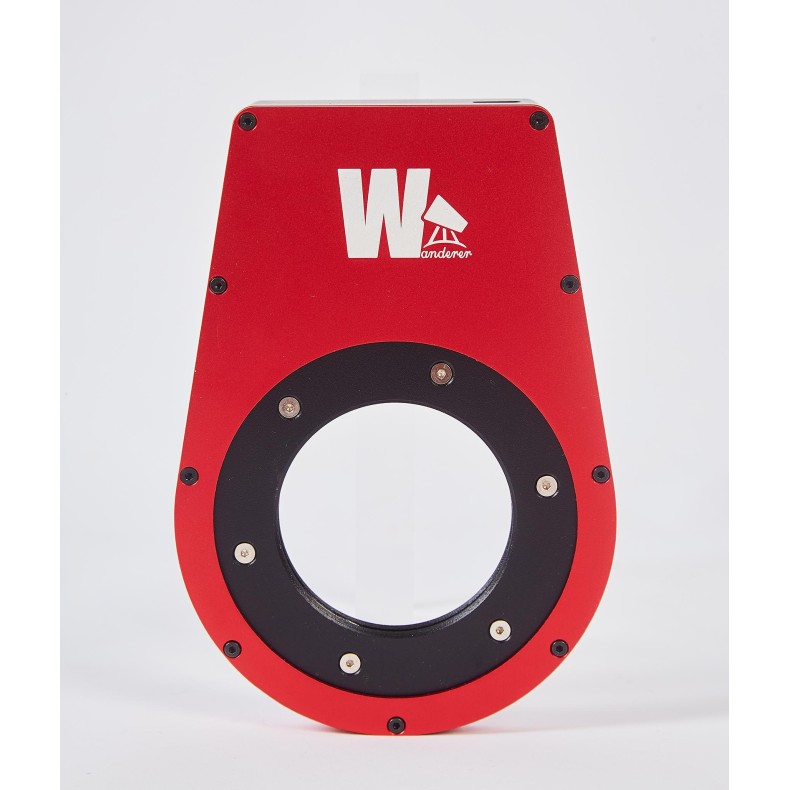
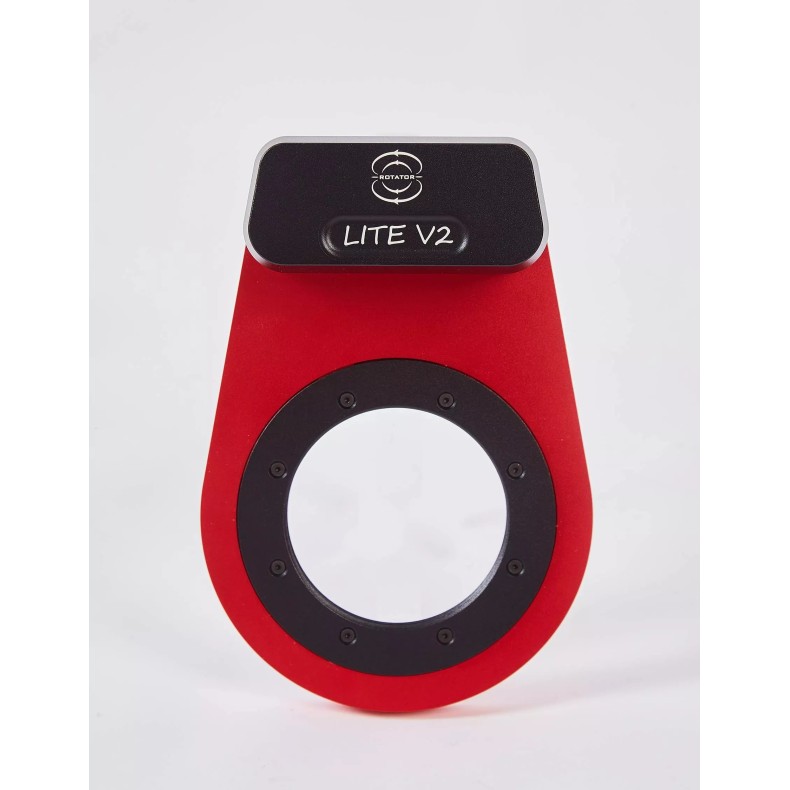
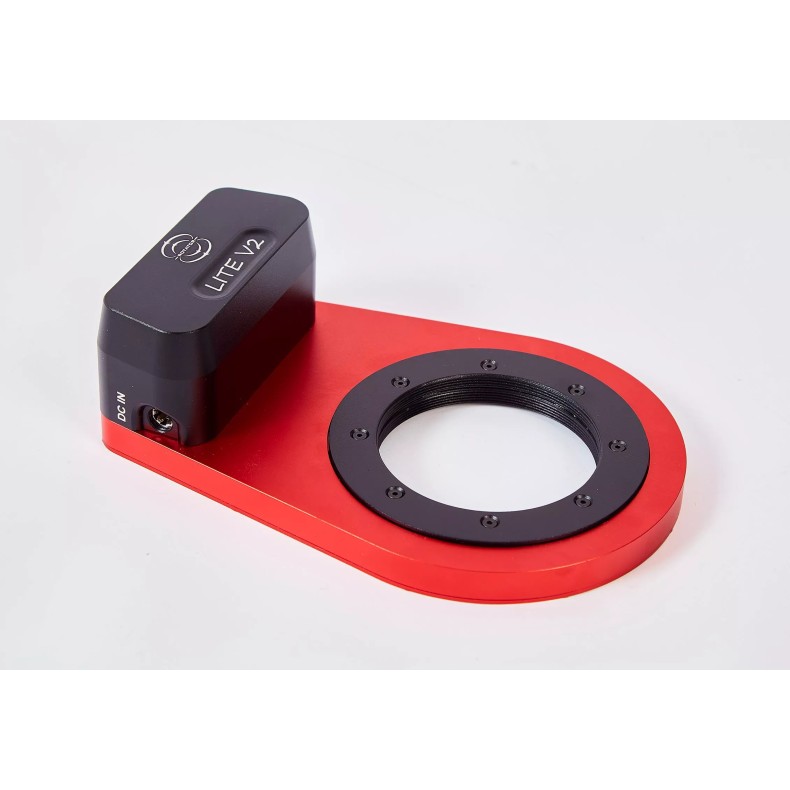
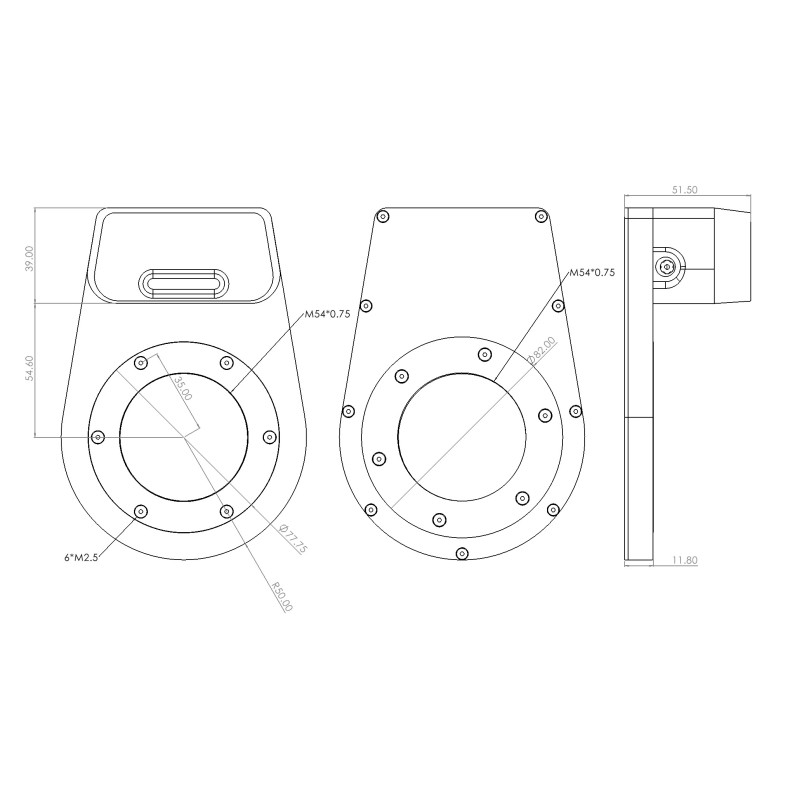
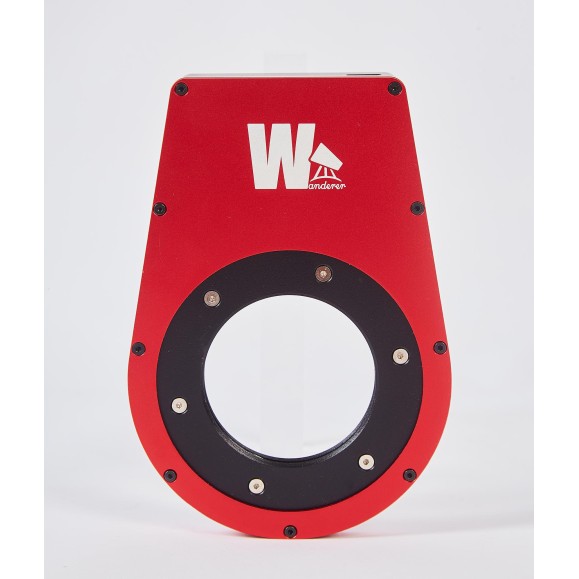
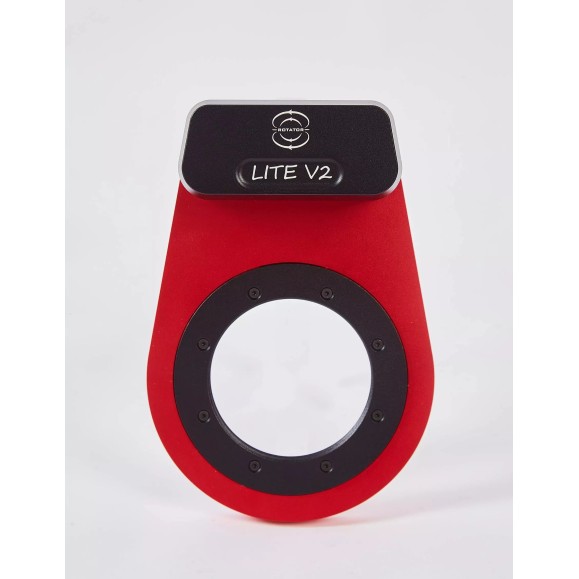
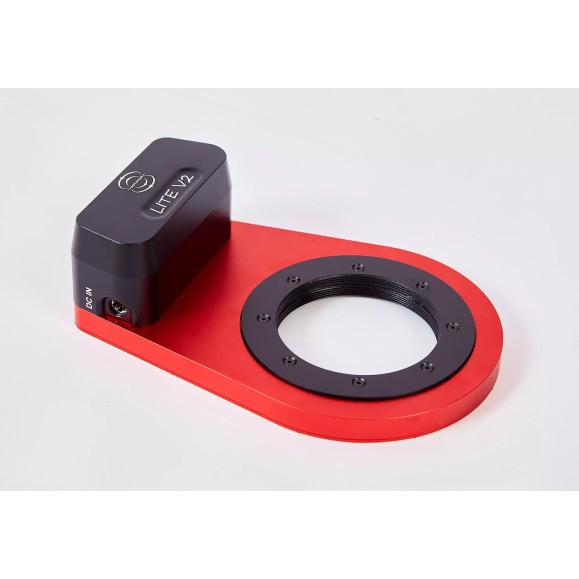
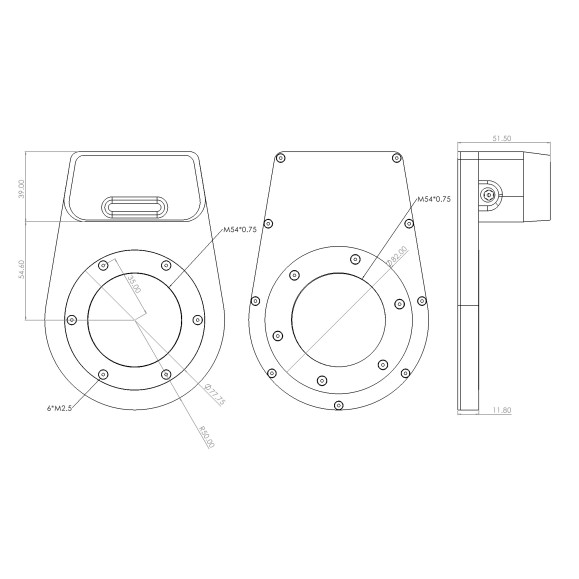


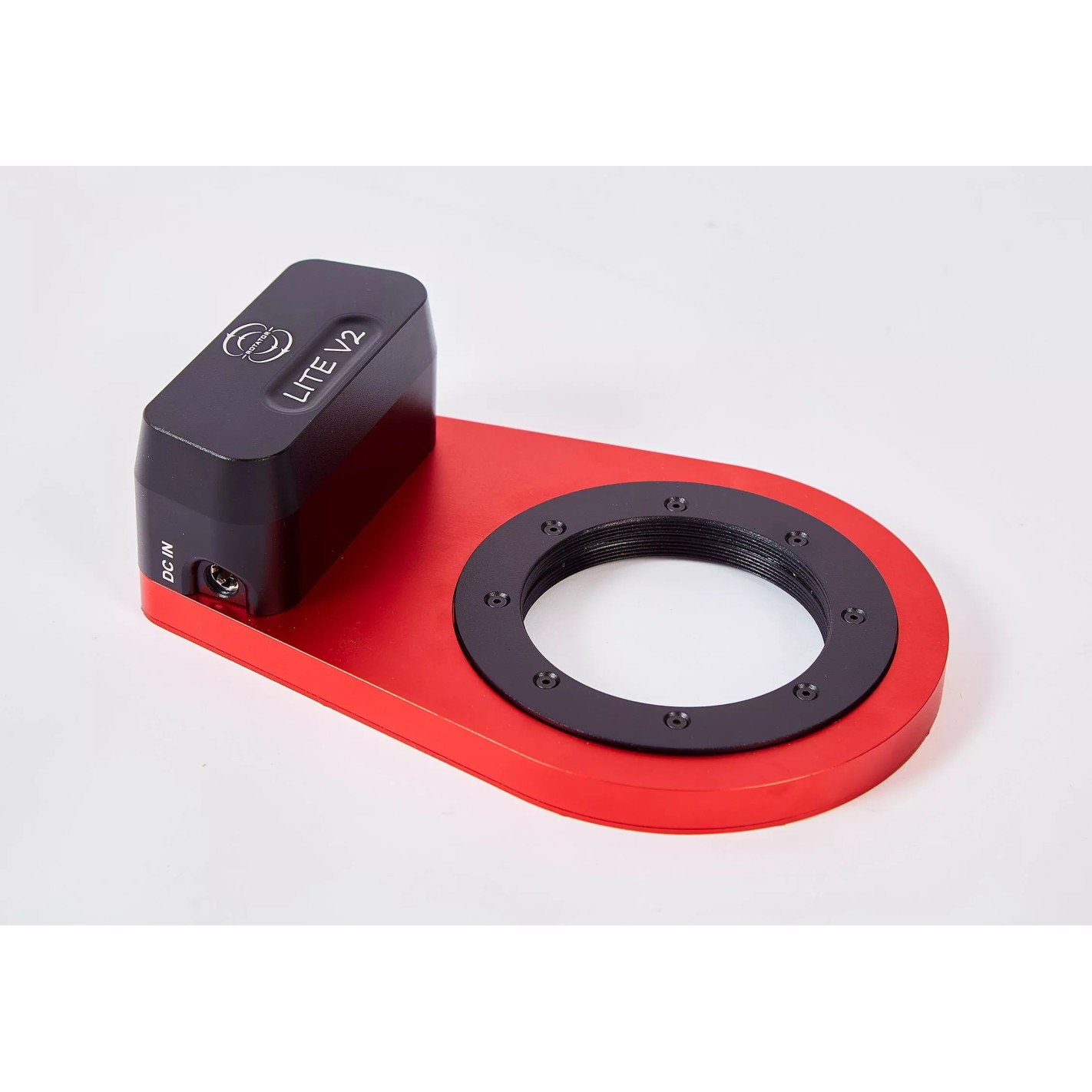
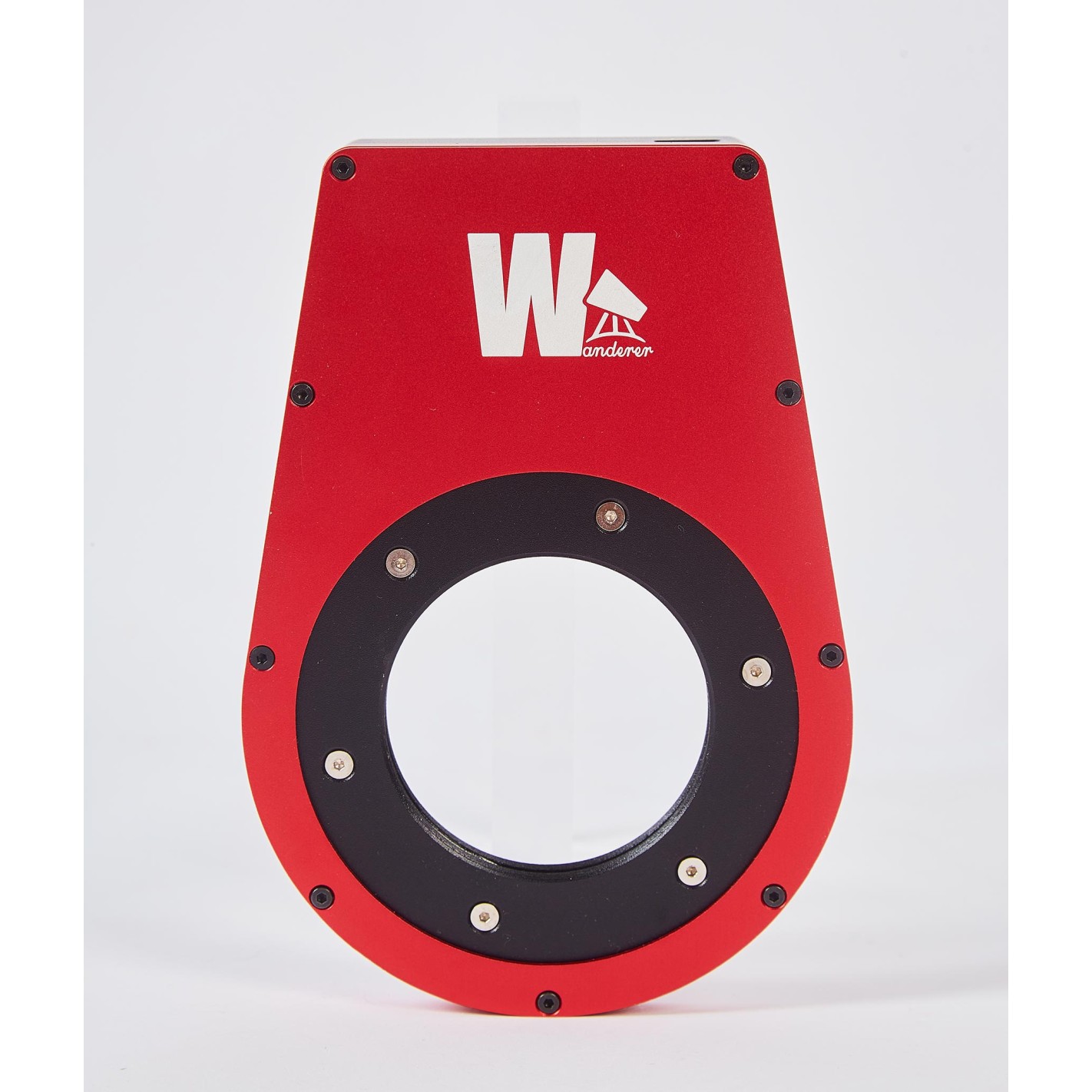
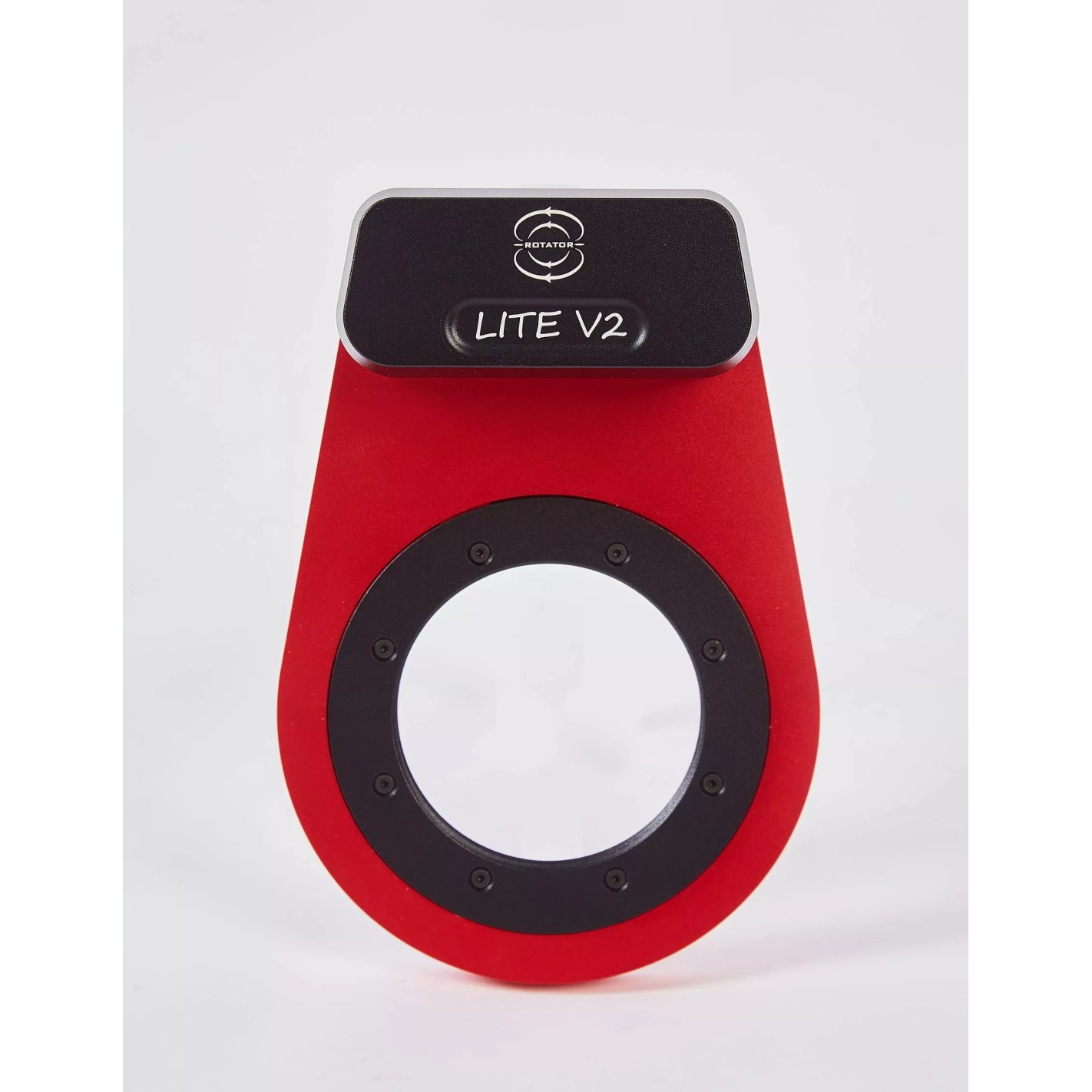
High-performance Zero Tilt M68 (CAA) motorized rotator.
| Carrier | Description | Estimated Delivery | ||
|---|---|---|---|---|
 |
UPS - Resto del mundo | UPS - Rest of the World |
Thursday, 19 February - Thursday, 26 February |
|
UPS - Resto del mundo
UPS - Rest of the World
Estimated delivery:
Thursday, 19 February - Thursday, 26 February
Wanderer Astro Mini V2
Remote control of a telescope requires maximum automation of tasks, as the user often lacks physical access to the instrument and its accessories to make adjustments or modify its settings. The WandererRotator v2 addresses two problems: photographic framing and field de-rotation. It is a motorized, remotely controlled device used to rotate the camera or CMOS sensor to the desired position.
Photo framing involves orienting the sensor of the imaging system, either a camera or CMOS sensor, to create an optimal composition . For example, to photograph the Andromeda galaxy (M31), you will almost always need to position it diagonally to the sensor, given its size. WandereorRotator v2 allows you to rotate the entire imaging system to the desired angle. This adjustment is useful both for framing and for restoring an accurate pre-frame or adjusting the angle of the different panels of a mosaic.
Field rotation is a phenomenon inherent to instruments mounted in the altazimuthal position (e.g. Dobsonian or Schmidt-Cassegrain fork-mounted telescopes). In this type of mount, unlike an equatorial mount, the automatic tracking of celestial objects causes the field of view at the telescope's focal point to rotate; the field appears to rotate slowly on its axis during the night. Wanderer v2 automatically compensates for this field rotation. Therefore, it is possible to photograph the sky with longer exposure times using instruments with a motorized altazimuthal mount, just as with an equatorial mount.
Advantages of the WandererRotator v2 systems
Thanks to a patented rotation mechanism, the WandererRotator v2 ensures focal plane stability during movement. This system, which combines friction and magnetism, eliminates backlash and slack in the mechanism, ensuring uniform collimation, high rigidity and tilt-free stability. The torque reaches 7.5 Nm (20 kg).
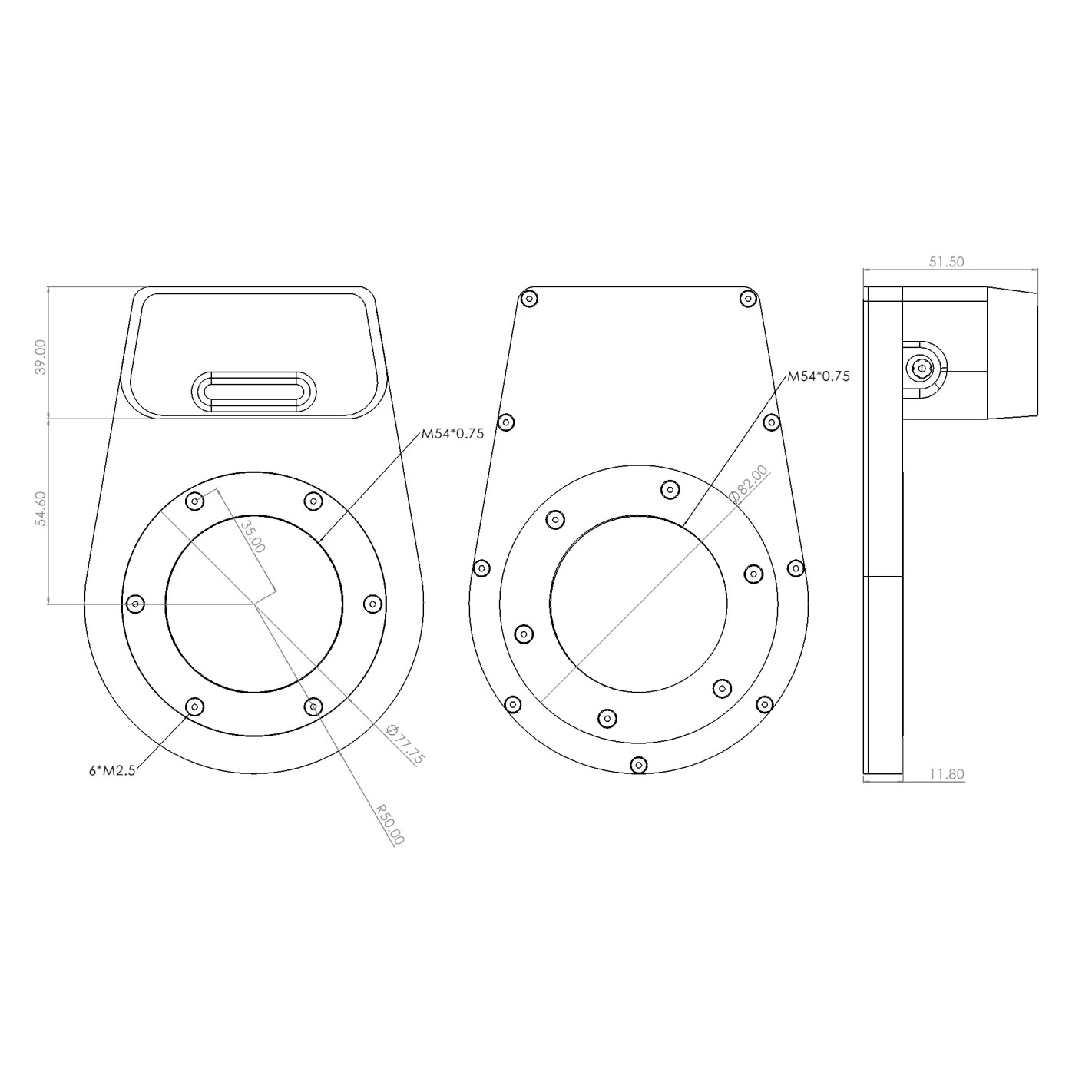
The mechanical device is light and slim. The WandererRotator v2 has a back focus of only 10 mm in the Mini version and 16 mm in the Pro version, making it easy to integrate into your photographic equipment. Numerous combinations are possible, including a field flattener or a focal reducer. We recommend that you consult the assembly guide published by WandererAstro, which details the possible combinations according to your instrument and accessories. In terms of weight, the Mini version (M54) weighs just 420 g, while the Pro version (M92) weighs 800 g.
The rotation is very precise, 1000 steps per degree, providing an angular resolution of 0.005°. It guarantees extremely efficient de-rotation and perfectly reproducible framing.
The WandererRotator v2 offers a high degree of mechanical modularity. You can modify the motor mounting interface to adapt the thread (male or female) to your needs. To do this, simply unscrew the front panel and replace it.
Power supply and computer control
The WandererRotator v2 requires a 12 V DC power supply via a 5.5 x 2.1 mm connector. Connection to the computer is via USB 2.0.
The WandererRotator v2 does not have a handheld controller. It can only be controlled by computer and is compatible with numerous programs. It can be controlled from the Wanderer Empire platform, offered free of charge by WandererAstro, or from any ASCOM or INDI compatible astronomical application, such as NINA or PHD2. The ASCOM controller can manage up to three rotators simultaneously.
.jpg)
-----------------
FEATURES HIGHLIGHTED FEATURES
≤7.5 N - m (15 kg)
With a robust load capacity of 7.5 Nm or 15 kg*, it meets the demands of most imaging devices.
*The load capacity of the rotor depends on the distance between the center of gravity of the device and the rotor, as torque is defined as the product of the force times the length of the lever arm. In the specified parameters, the calculations assume that the center of gravity of the equipment is 50 mm from the rotor.
0.0008°/pitch
Achieves an impressive angular resolution of 0.005° , ensuring superior accuracy for critical applications.
Zero tilt
Thanks to our patented rotating structure, the WandererRotator is ideal for high-precision astrophotography - keep the stars sharp throughout the image!
Ultra-compact
With a thickness of 12 mm and a weight of only 550 g, it stands as the thinnest and lightest rotator on the market.
Lightweight design
Weighing only 550 g, it puts no strain on the focuser.
Ultra-thin design
With an astonishing thickness of only 12 mm, it leaves more room for back focusing and focusing travel.
Zero flex
With a patented design, it guarantees absolute collimation at any angle, ensuring zero tilt.
De-rotation support
A game changer for users of Dobsonian and altazimuth mount telescopes, allowing seamless integration with NINA for fully automated framing and de-rotation sequences.
Strict quality control
Each WandererRotator undergoes rigorous testing and manual measurement to ensure consistent quality and reliability.
Low-temperature resistant design.
Capable of normal operation in environments as low as -25 ℃ (-13 ℉).
.....................
SPECIFICATIONS
.png)
.....................
what is included in the box?.jpg)

Deliver it 8/15 days
Deliver it 16/23 days
Deliver it 8/15 days