Discover our telescope filters
At Telescopiomania, you’ll find a wide range of telescope filters designed to enhance the quality of your astronomical observations. These accessories help bring out details, reduce excess light, and allow you to observe celestial objects with greater precision. Whether you’re a beginner or an expert, telescope filters will help you capture sharper images and enjoy a much more complete experience as you explore the sky.
What are telescope filters used for?
Telescope filters are essential accessories that are attached to the eyepiece or the telescope itself to modify the light reaching the observer’s eye. Their main function is to improve image quality, allowing you to see different types of celestial objects—such as the Moon, the planets, or even the Sun—more clearly under specific conditions.
One of the most important uses of telescope filters is to reduce excessive brightness. For example, when observing the Moon, the intensity of its own light can make it difficult to see certain details. With the right filter, it’s possible to soften that brightness and better appreciate its surface.
In addition, telescope filters help increase contrast. This is especially useful in planetary observation, where small details can go unnoticed without the use of these accessories. They also allow certain wavelengths of light to be highlighted, making it easier to observe specific phenomena.
Among the main functions of these accessories are:
- Reducing the brightness of very bright objects.
-Improving image contrast and definition.
-Highlighting details on planets and the Moon’s surface.
-Protecting your eyes during certain observations.
-Adapting observations to different lighting conditions.
Another advantage is that telescope filters allow you to personalize your observing experience. Depending on the filter you choose, you can achieve very different results with the same telescope, which expands your exploration possibilities.
They are especially useful for those who want to get started in astronomy, as they facilitate observation and make celestial objects much easier to identify.
These types of accessories not only improve visual quality but also make each observing session more comfortable, precise, and better suited to the surrounding conditions.
What types of telescope filters are available?
In this category, you’ll find a wide variety of telescope filters, each designed for different uses and levels of observation. Choosing the right filter will depend on the type of object you want to observe and the conditions under which you conduct your stargazing sessions.
One of the most commonly used is the lunar filter, which is ideal for reducing the moon’s glare and improving the visibility of its craters and surface features. This type of filter allows you to observe more comfortably without the intensity of the light affecting your experience. Is it necessary to use a lunar filter for a telescope? It’s not essential, but if you want to observe the Moon properly and improve image quality, it’s advisable to get one.
Another notable filter is the solar filter, designed specifically for safely observing the Sun. Using a solar filter with your telescope is essential for protecting your eyesight, as observing the Sun without proper protection can be very dangerous. These filters block most of the light and allow you to see details such as sunspots.
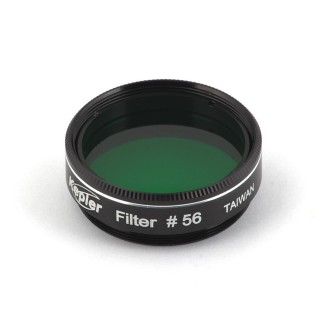
There are also color filters, which help highlight details on planets such as Mars, Jupiter, or Saturn. These accessories work by selecting specific wavelengths, which improves contrast and allows you to better distinguish the features of each planet.
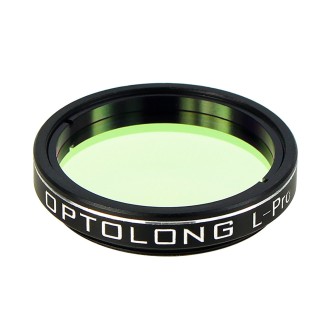
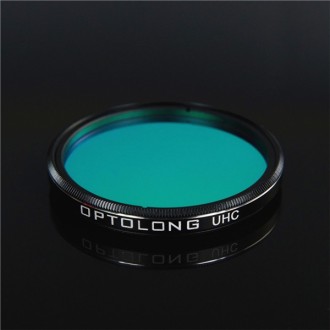
There are also nebula filters, designed to improve the observation of deep-sky objects. These filters reduce light pollution and highlight certain light emissions, making it easier to view nebulae and galaxies.
So, which telescope filters should you choose? It all depends on the type of observation you want to do, but having several telescope filters will allow you to adapt to different situations and get the most out of your equipment.
Exploring the different options will help you discover new ways to observe the sky, improving both the image quality and the experience during each stargazing session.