How to Choose Your High-Performance Advanced Telescope
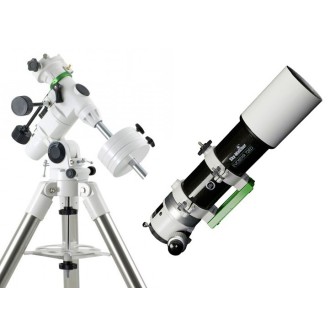
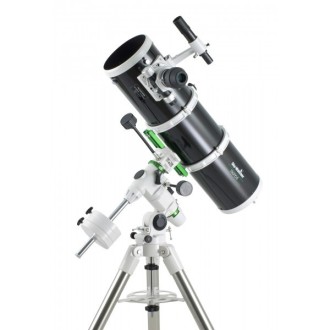
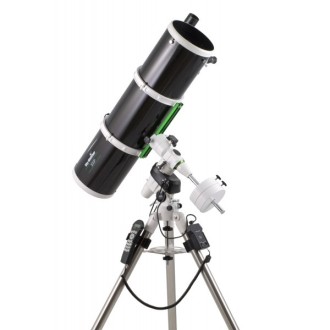
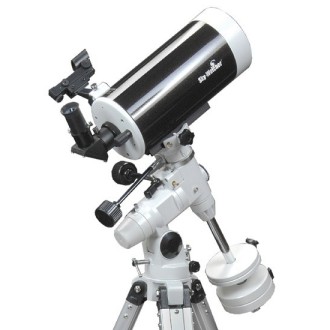
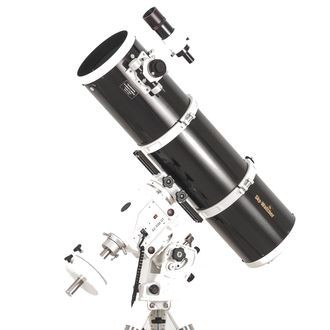
Advanced telescopes are astronomical instruments that incorporate superior features to deliver optimal performance during the most demanding observations. Their features include large apertures, higher-quality optics, and more stable mounts—all essential for capturing sharp, precise images of the night sky. They are designed for users who have already used a telescope at some point.
Advantages of Advanced Telescopes
The main advantage of advanced telescopes is that they offer users an experience far superior to that of entry-level models. Their technical capabilities allow users to explore the universe in much greater detail and provide access to celestial objects that are difficult or impossible to observe with basic equipment.
Other notable advantages of these telescopes include their greater light-gathering capacity, thanks to larger apertures that allow for observing galaxies and other celestial objects with superior definition and brightness; the more light advanced telescopes gather, the more detail can be seen during observation. Furthermore, their optical quality is exceptional, as they incorporate high-precision lenses or mirrors with anti-reflective coatings and systems that reduce optical aberrations.
The stability of their mounts also gives them a significant advantage over other telescopes, preventing vibrations from negatively affecting observations—and especially astrophotography. Furthermore, it’s worth noting that they offer greater durability and a longer service life.
What Types of Advanced Telescopes Are Available
Choosing the right type of advanced telescope will depend on the intended use and the observer’s preferences, as each design offers specific advantages for different types of astronomical observation.
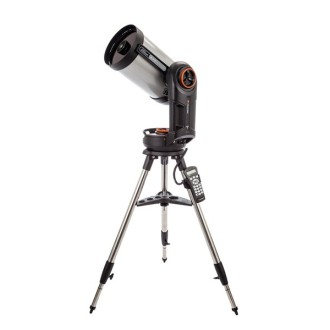
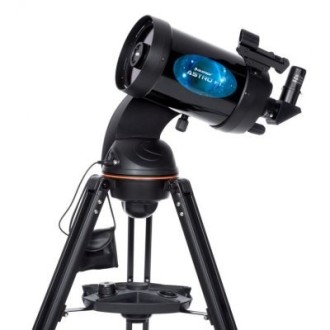
Among the main models of advanced telescopes are:
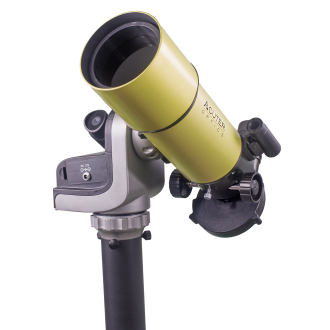
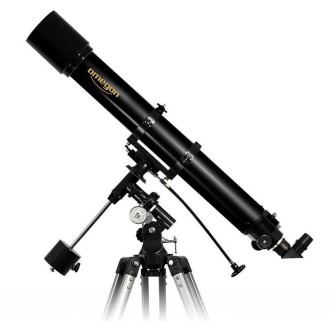
- Advanced refracting telescopes. These use lenses to capture and focus light and are especially recommended for planetary and lunar observation, astrophotography, and users seeking minimal telescope maintenance. They are known for their contrast and image quality.
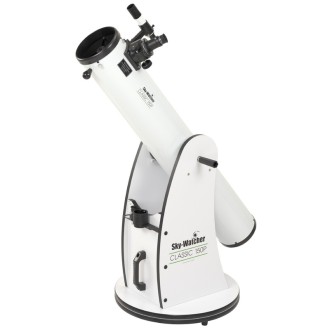
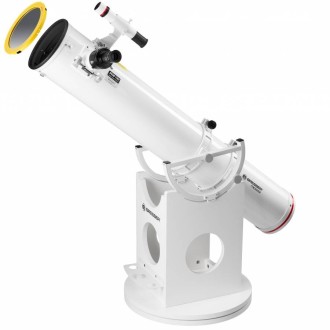
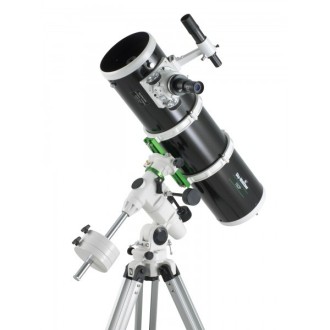
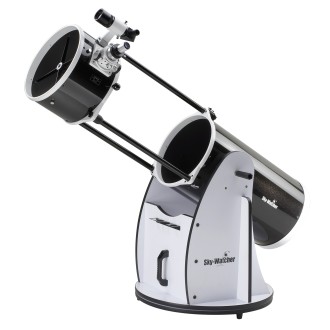
- Large-aperture Dobsonian telescopes. These are a variant of Newtonian reflectors and are characterized by being advanced telescopes mounted on a base specially designed to support large apertures.
The Best Advanced Telescopes for Astrophotography
Astrophotography is one of the most exciting disciplines in astronomy and a rapidly growing activity. Capturing planets, galaxies, and other celestial objects requires high-precision equipment capable of providing stability and optical quality, and advanced telescopes are the perfect choice for this purpose.
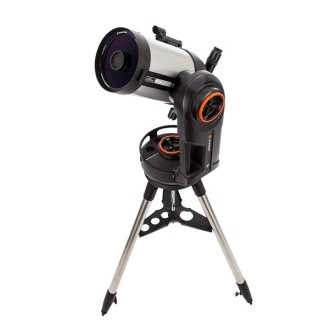
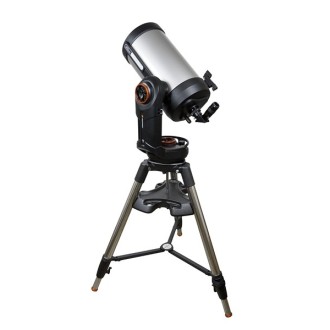
When choosing an advanced telescope for this activity, it’s important to pay special attention to several factors, such as the quality of the mount, which typically includes computerized GoTo systems, automatic tracking, autoguiding, and high load capacity. In addition, having an appropriate focal ratio directly influences the type of photograph you can take, and this will depend on the objects you wish to photograph.
Compatibility with astrophotography cameras is another factor to consider, as advanced telescopes are usually compatible with specialized cameras. It’s also advisable to check compatibility with accessories such as coma correctors, field flatteners, or filter wheels.
Choosing the right advanced telescope model will depend on factors such as aperture, type of observation, portability, and available budget; therefore, carefully analyzing its features will help you find the ideal model to explore the universe with the highest quality and discover all that the night sky has to offer.