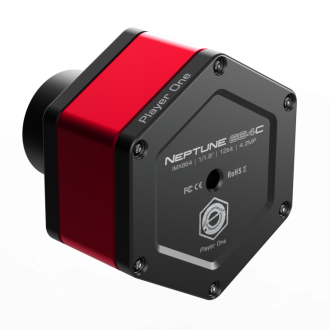
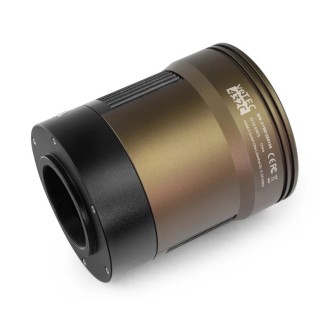
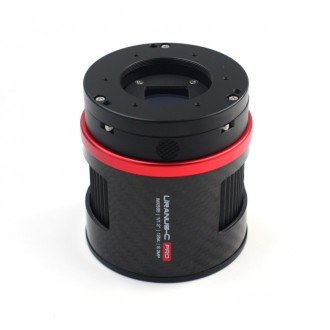
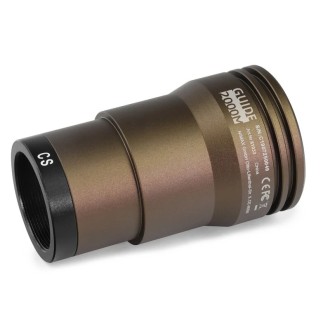
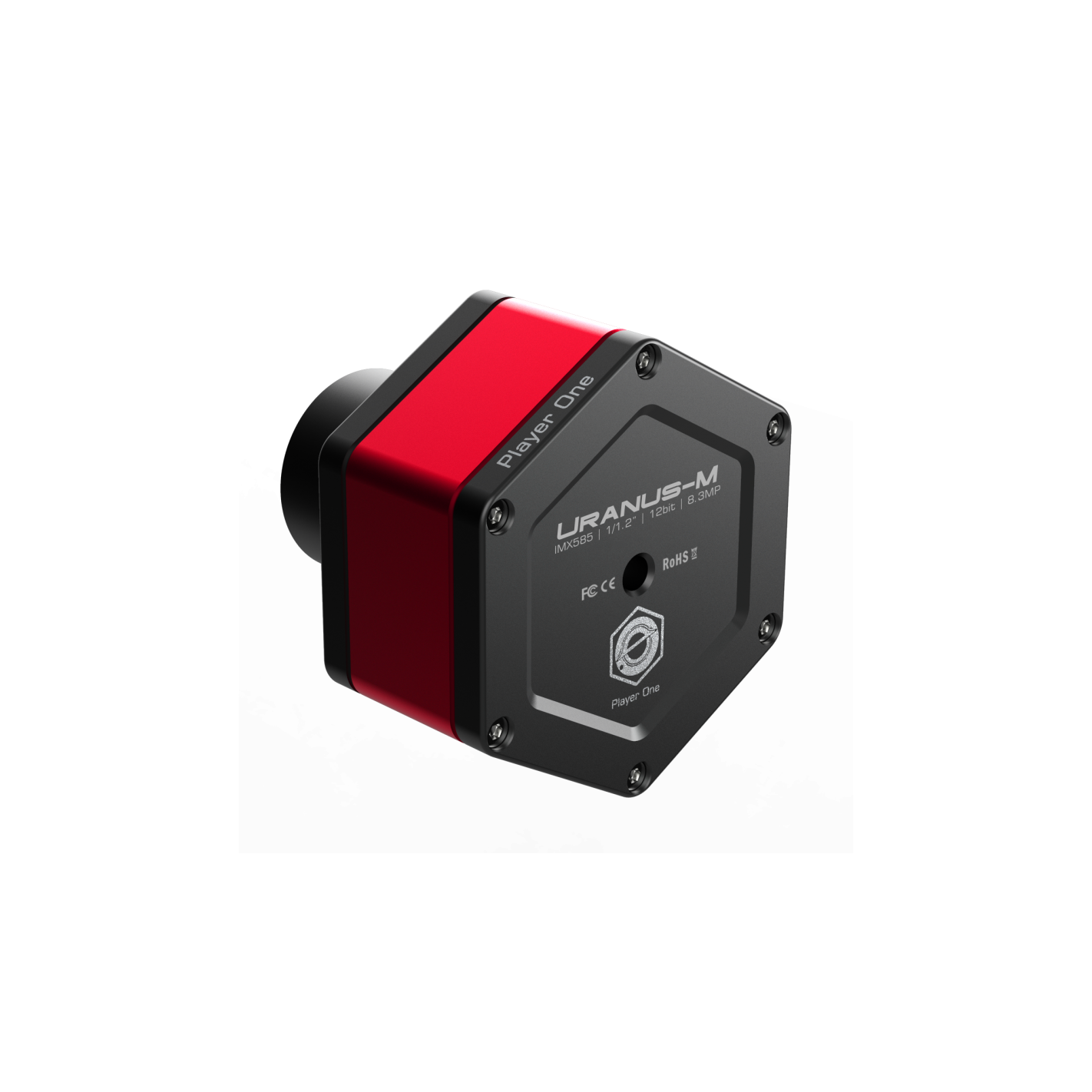
Uranus-M Camera with IMX585 Sensor
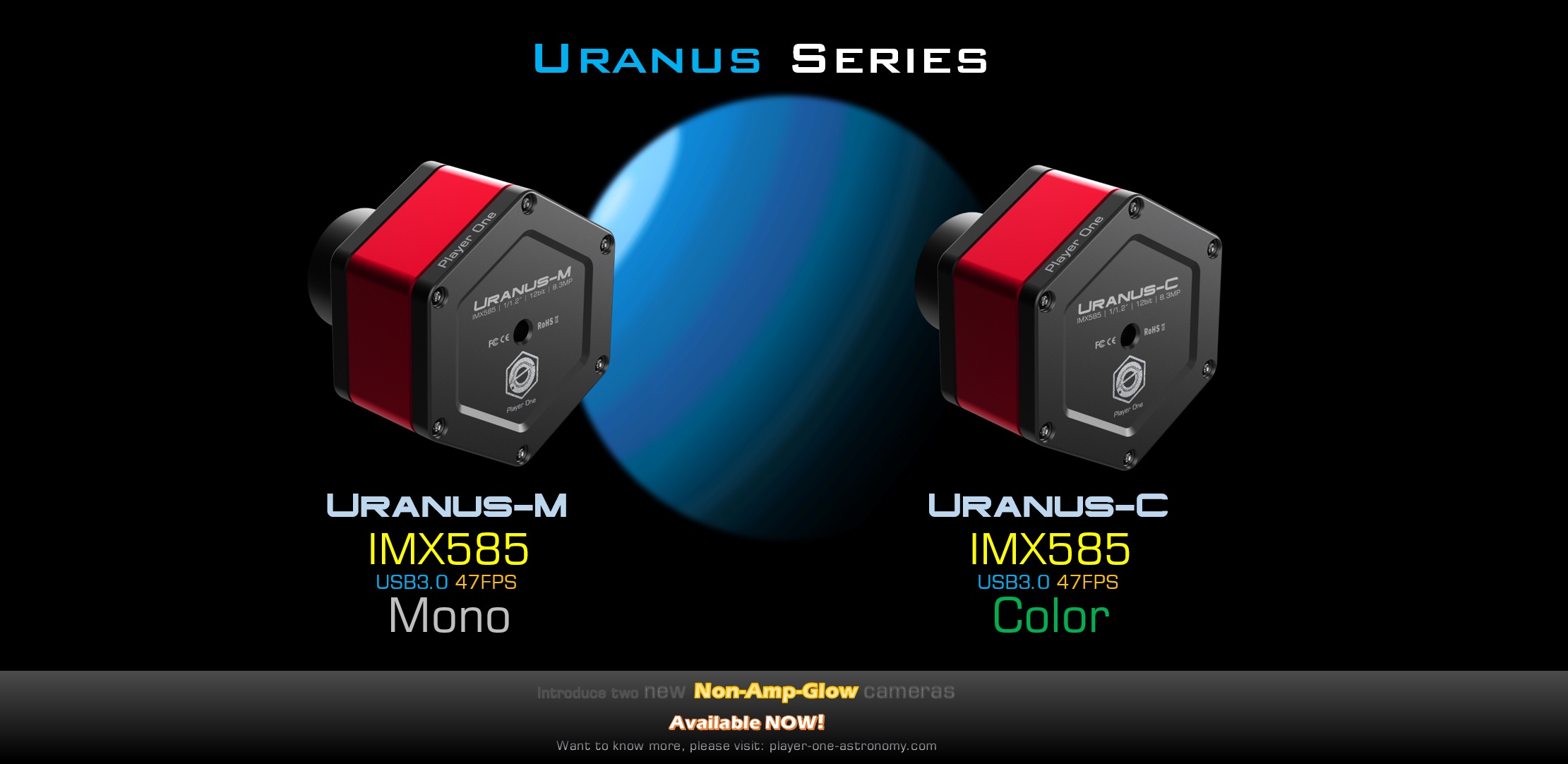
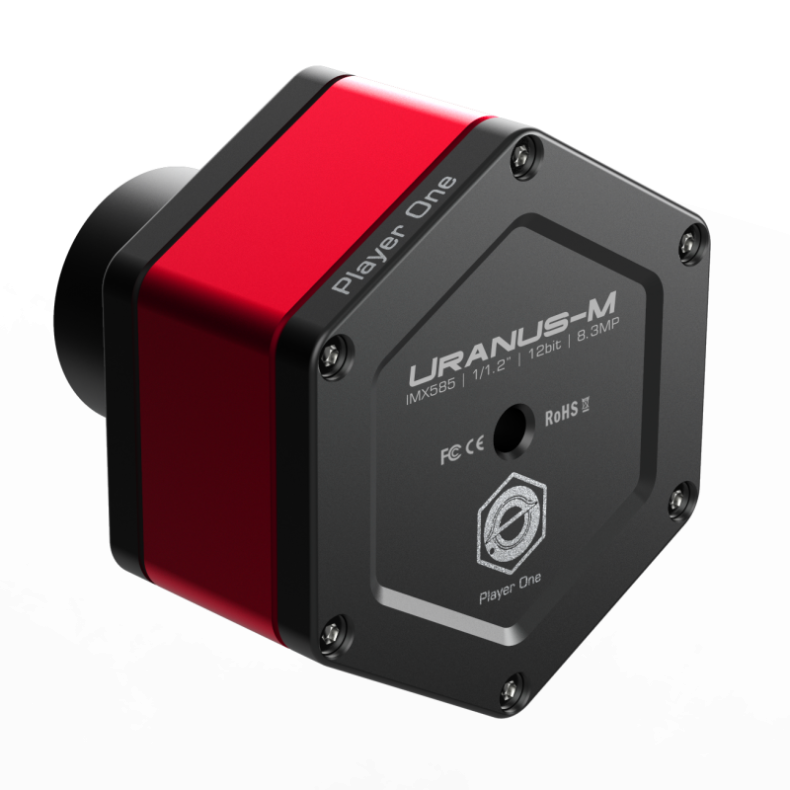
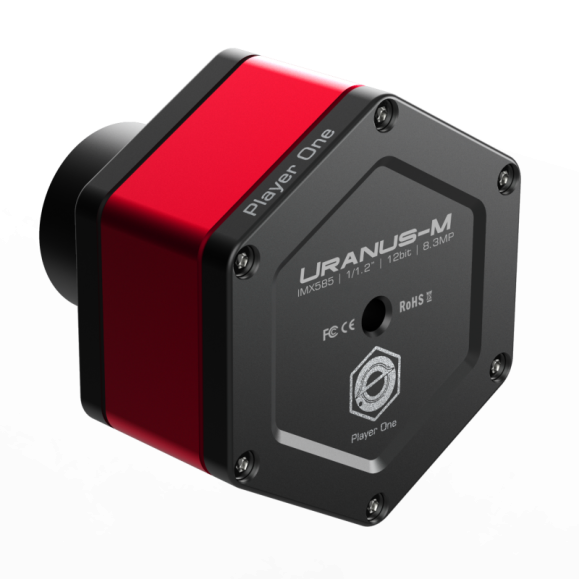
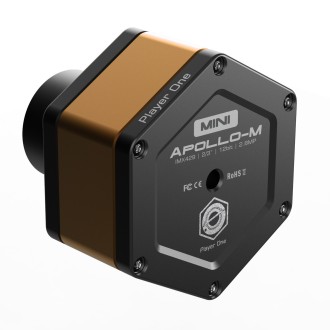
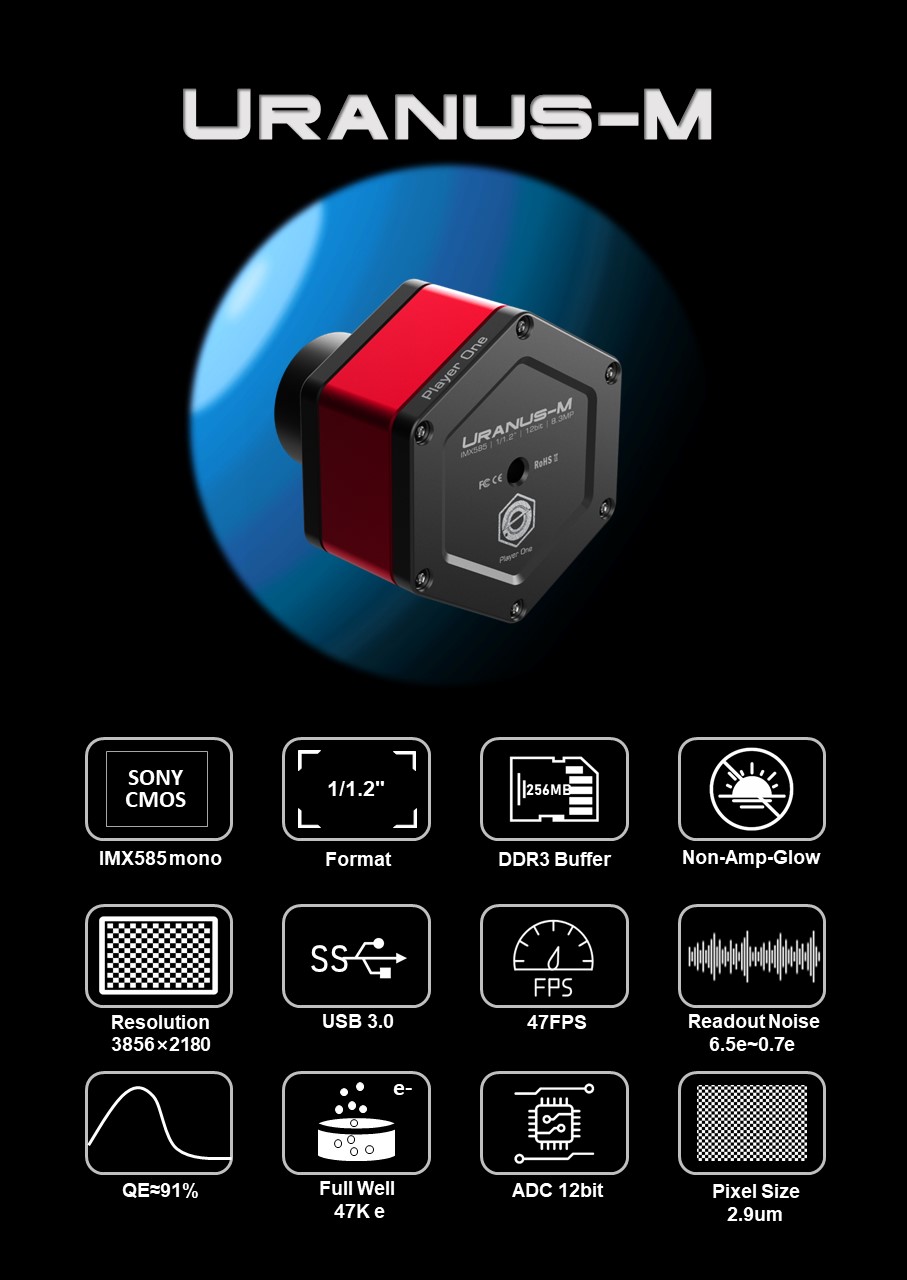
Uranus-M is a camera (IMX585) developed by Player One Astronomy which adopts the latest Sony IMX585 color sensor in 1/1.2" format. The pixel size of 2.9 um allows a well depth of 38.8 Ke with a total of 8.3 MP (resolution is 3856*2180) and the diagonal is 12.85 mm.
STARVIS 2 technology
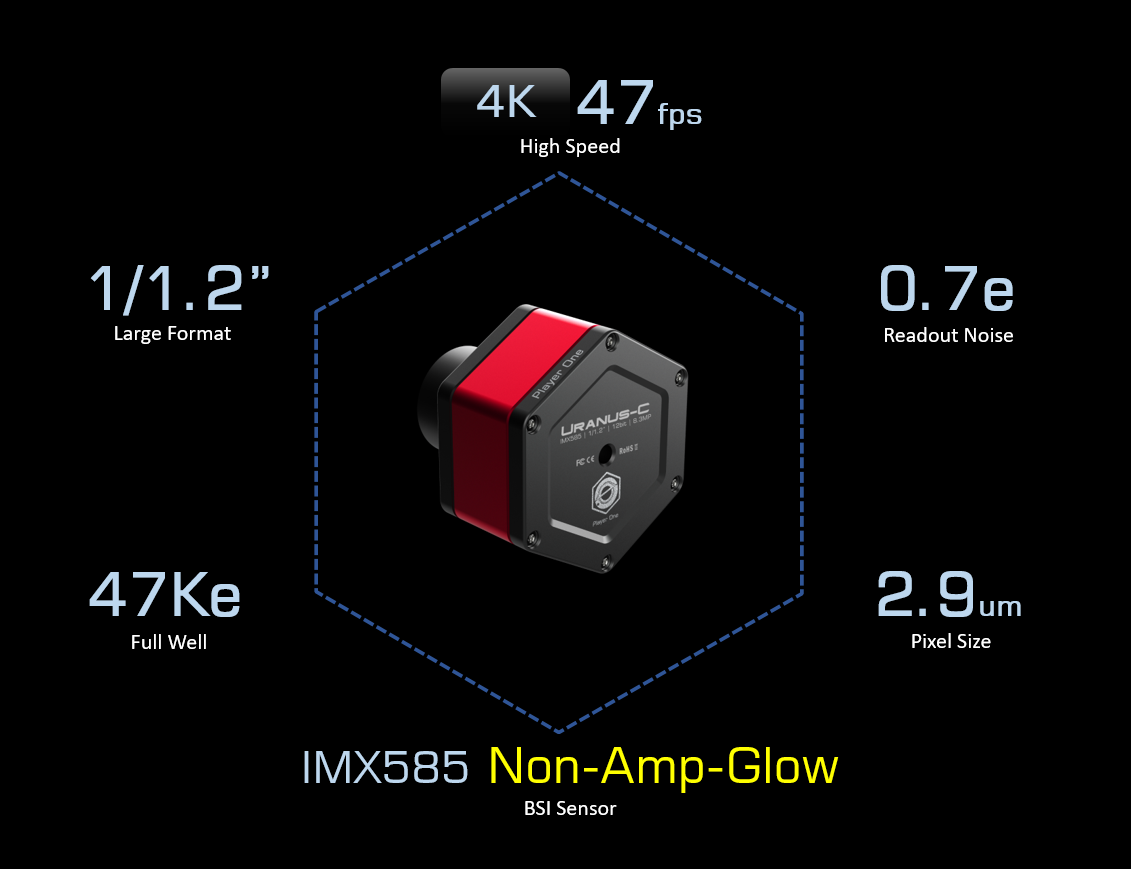
Uranus-M and Uranus-C are based on Sony's latest STARVIS 2 technology, which is the back-illuminated pixel technology used in CMOS image sensors.
Format
Uranus-M (IMX585) has a 1/1.2″ format, this size is large enough to take images.
Full well
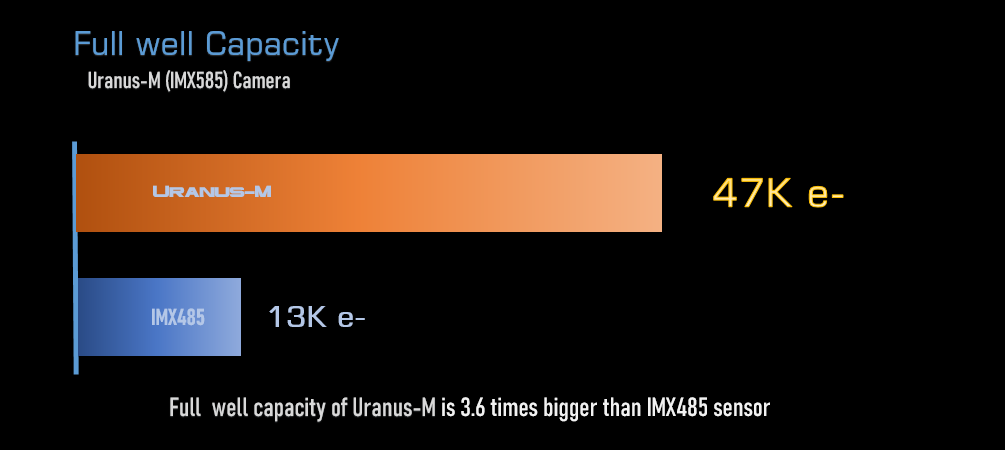
Uranus-M (IMX585) has 47.7 Ke, which is almost 4 times more than IMX485 (13 Ke).
No amplifier glare
The biggest surprise of the Uranus-M (IMX585) camera is that its dark frame is totally "dark", no matter how strong the curve is, there is no AMP glow!
Uranus-M can provide us with a very clean background, being much easier to get high quality images.
The Uranus-M camera is also very good at getting lunar and planetary images; its large 1/1.2″ sensor can mosaic the moon more effectively.
State-of-the-art design
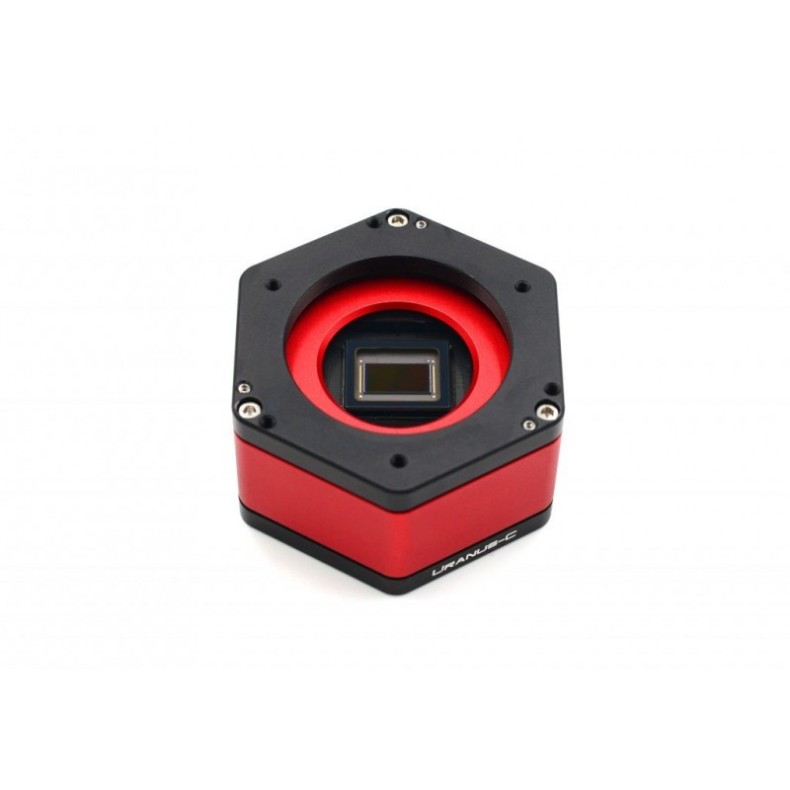
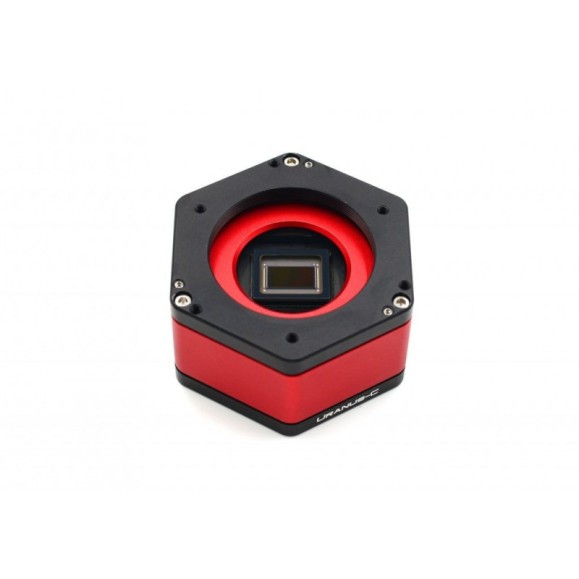
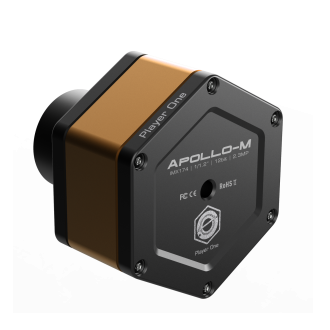
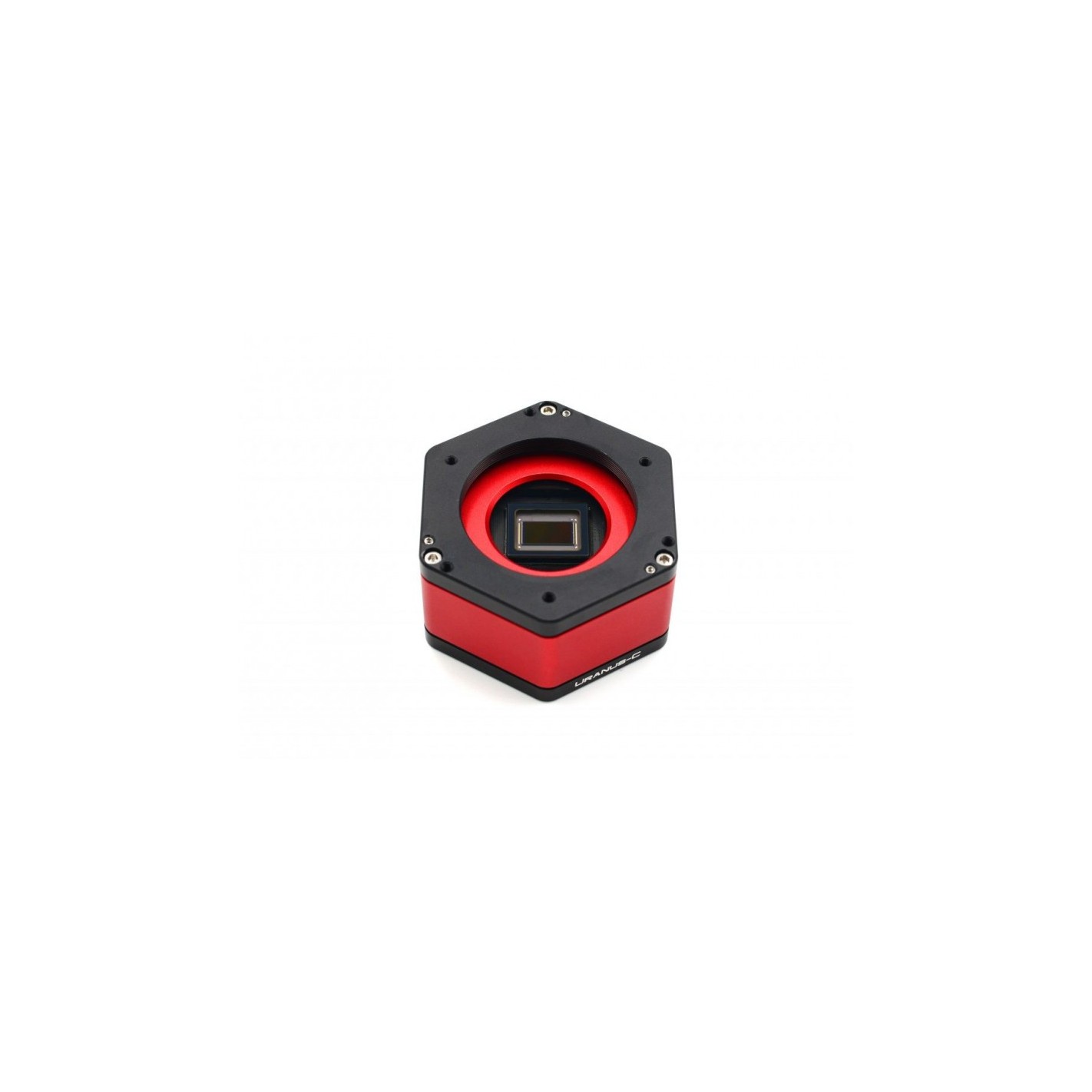
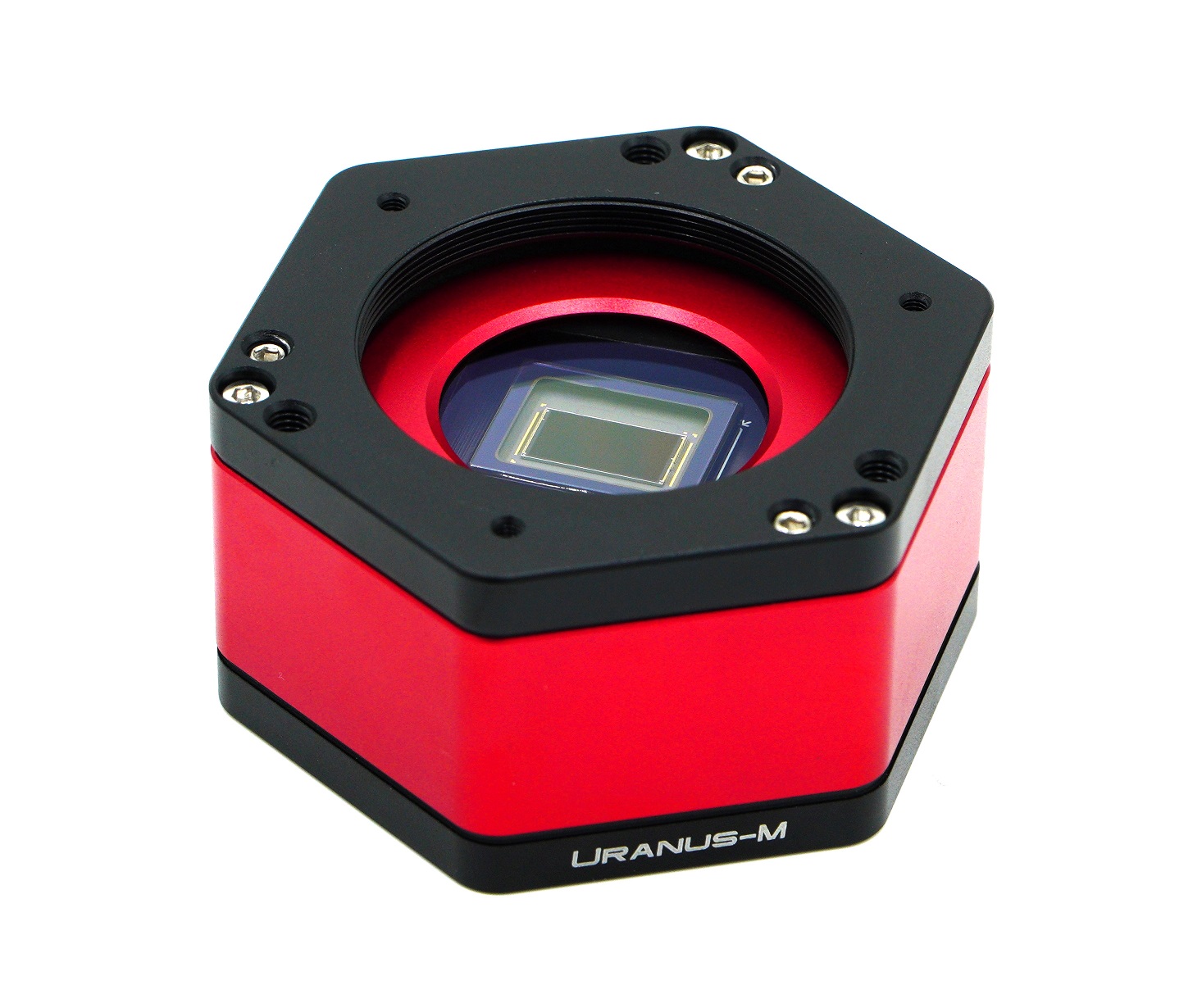
The planetary cameras developed by Player One Astronomy use a scientific and technological regular hexagon to construct the main body line, complemented by round chamfers for rigidity and flexibility.
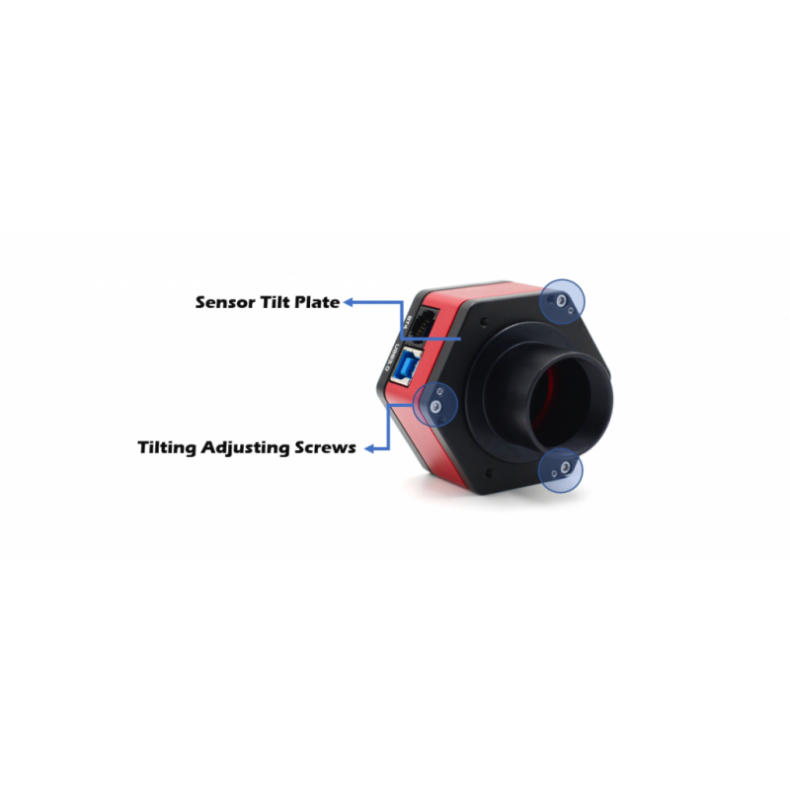
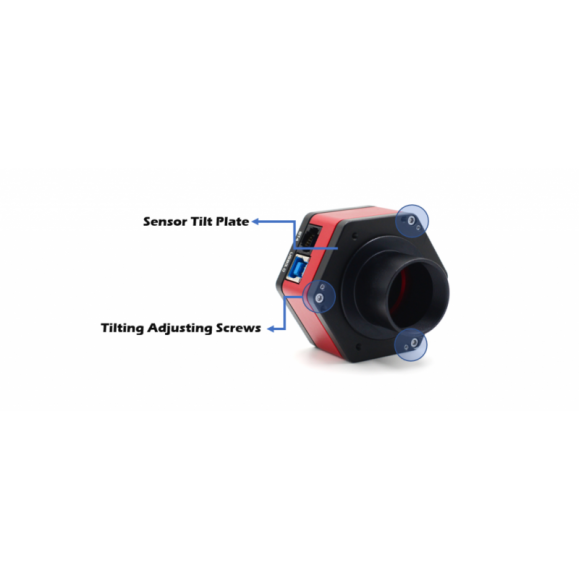
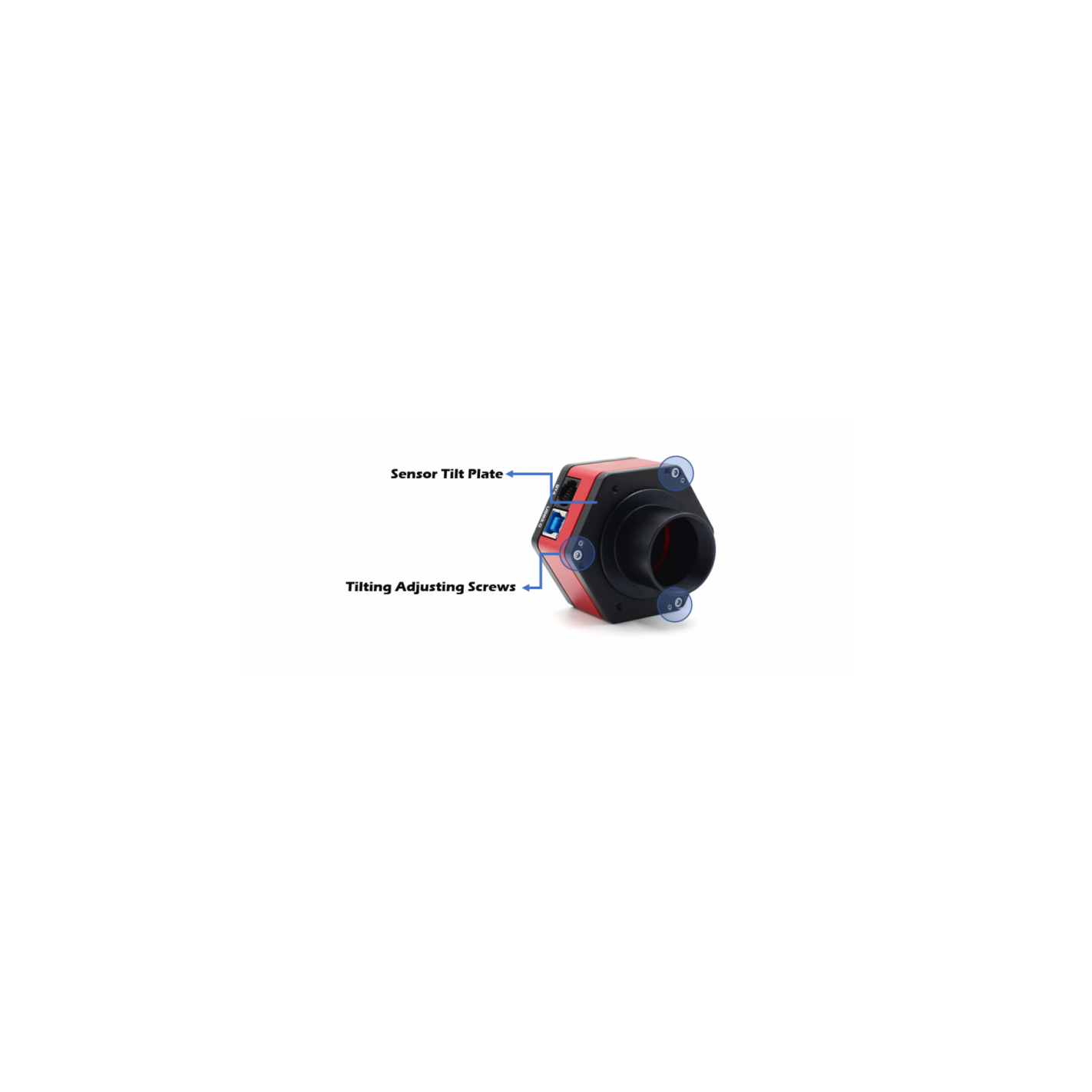
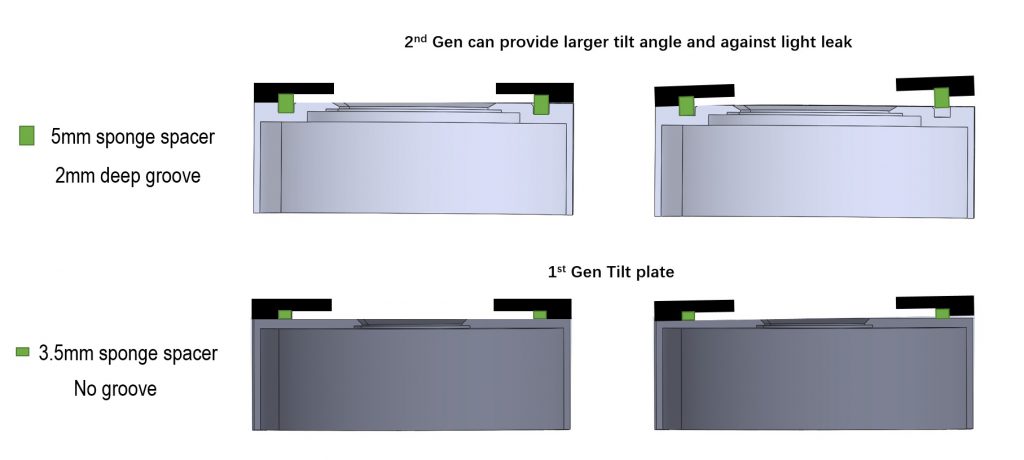
2.generation 1: sensor tilt plate
When photographing deep sky objects, the use of the sensor tilt adjustment plate can achieve a much smaller field curvature of the telescope.
256 MB DDR3 cache memory
player One astronomycameras are the first to integrate DDR3 cache in any planetary camera in the world! It helps stabilize and secure data transmission, effectively prevents frame loss and greatly reduces read noise.
With DDR3 cache, the camera demands less of your PC's computing capabilities and will continue to perform excellently even when connected to a USB port 2.0.
%20%E2%80%93%20Player%20One%20Astronomy.png)
DPS Technology
Planetary cameras from Player One Astronomy feature dead pixel suppression (DPS) technology. DPS analyzes many dark frames to discover the fixed abnormal pixel and store the map in the camera's memory. In imaging, in each exposure frame, the dead pixel position will be assigned an average value based on the active pixels around this abnormal pixel.
%20%E2%80%93%20Player%20One%20Astronomy.png)
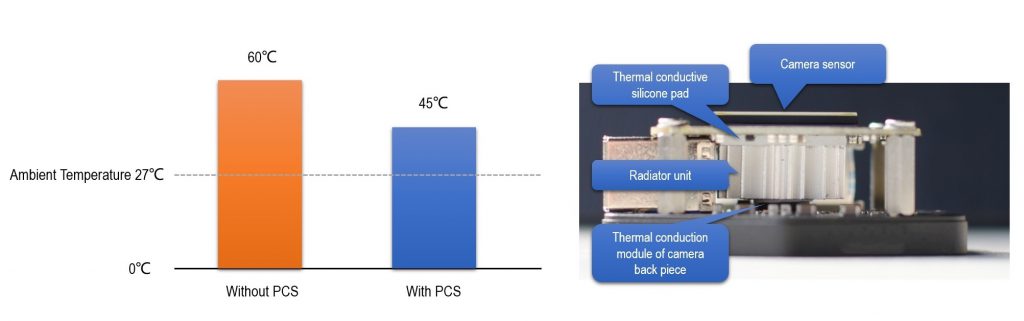
Passive cooling
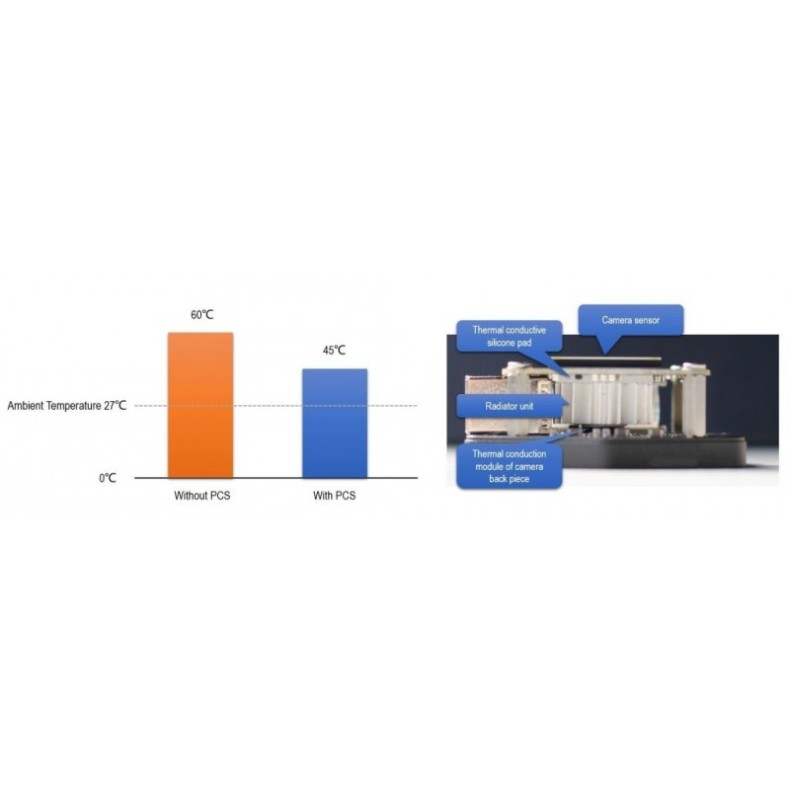
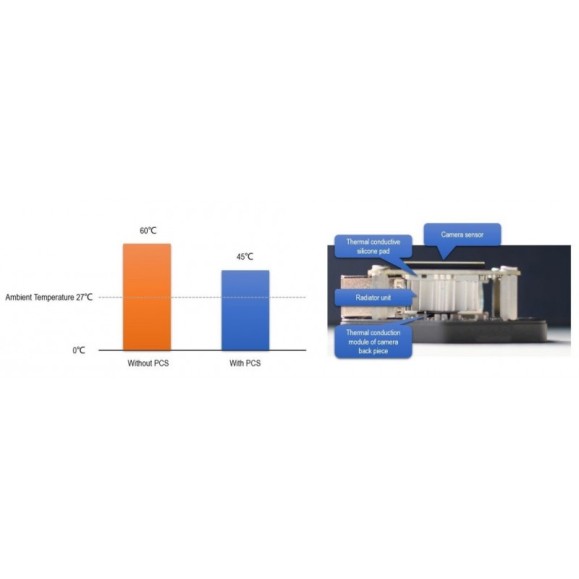
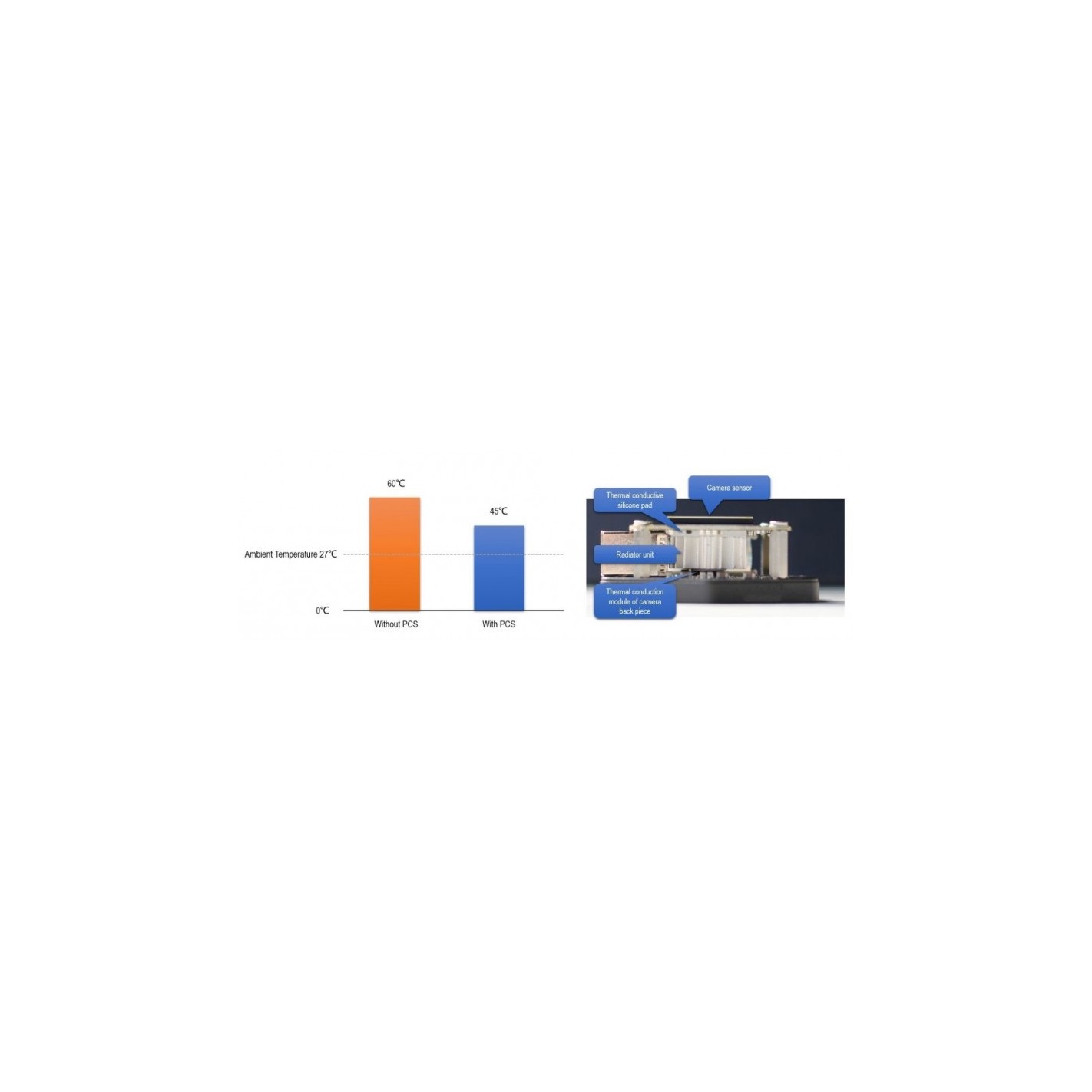
Uranus-C has a passive cooling system equipped with a small heat sink that can reduce the sensor temperature by 10°C compared to if the camera was not equipped.
Compatible with ACS
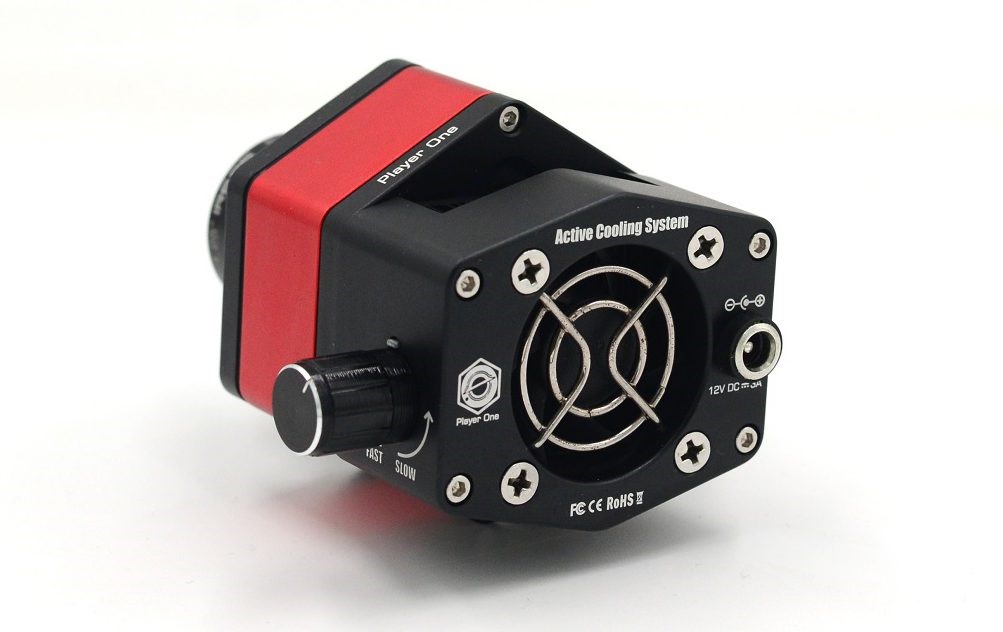
ACS (Active Cooling System) is an external air-cooled system designed for large format solar and planetary chambers that already have a PCS (Passive Cooling System).
ACS can provide much better temperature control. When the chamber is equipped with PCS+ACS, the temperature is only 7 ℃ higher than the ambient temperature, the chamber body is a little warm, but it will not be hot!
ACS can not only be used during daytime for solar imaging, but also can be used during nighttime for DSO imaging.
Over-voltage and over-current protection mechanism
Player One cameras produced by number one ensure the safety of your camera and other equipment with overvoltage and overcurrent protection mechanisms.
Data port
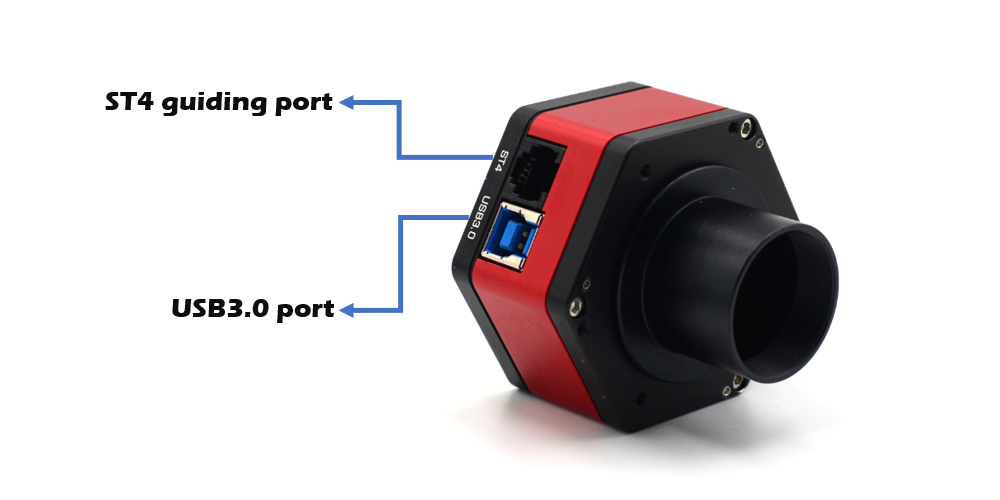
When the camera is connected to the USB3.0 interface and the full resolution preview is used, it can achieve 47 FPS in RAW8 mode (10-bit ADC). When recording images, since the actual writing speed will be affected by the writing speed of the hard disk itself, when the writing speed of the hard disk is slow, the recording may not reach the theoretical speed. It is recommended to use a high quality SSD to save data and take full advantage of the camera's performance.
Use the ST4 guide cable to connect the camera and the AUTO GUIDE port of the equatorial mount for guiding.
Performance
HCG open at gain = 210.
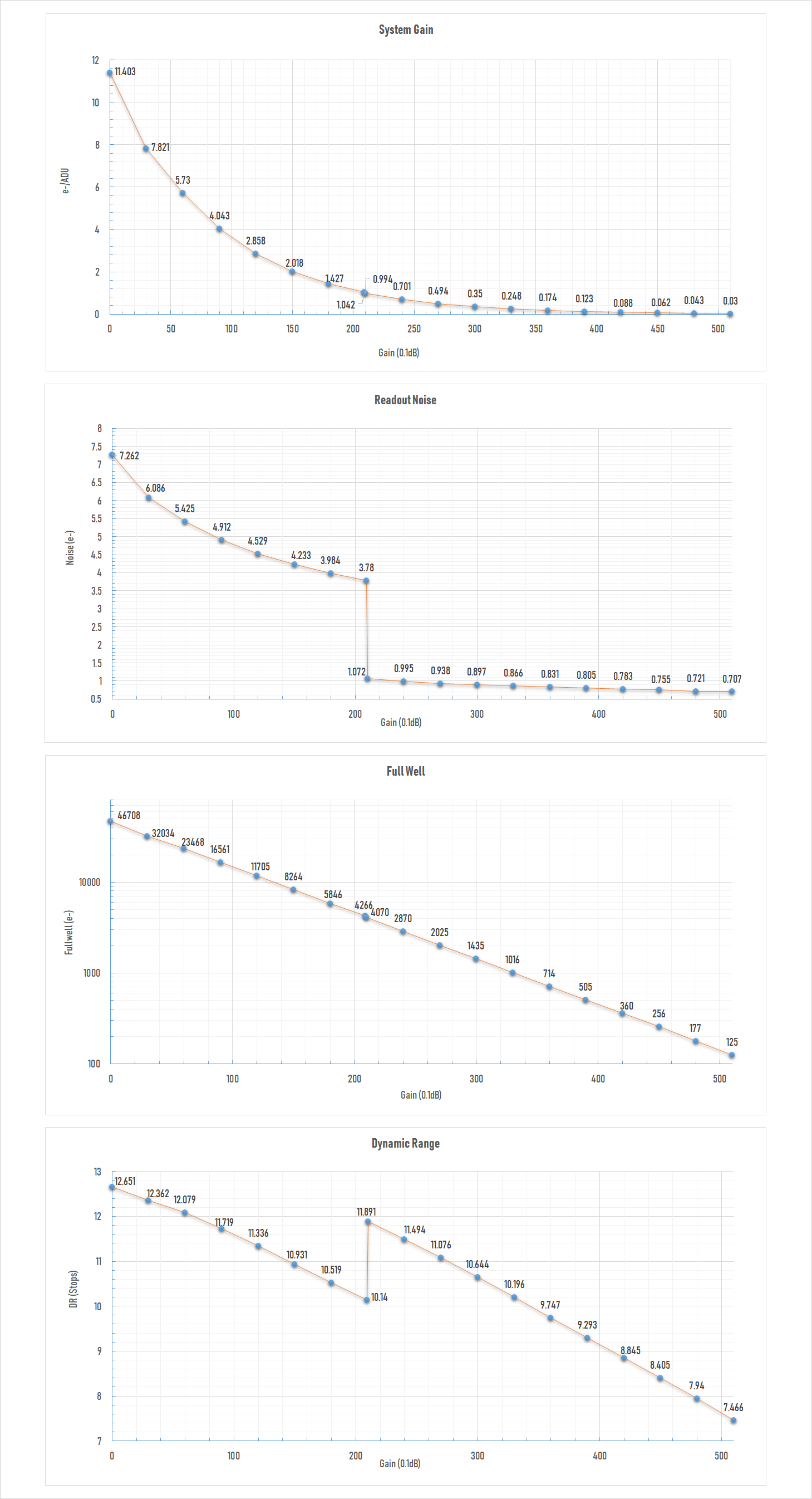
Read noise
Regarding read noise, we solemnly promise that all values are obtained from real tests. And users can use Sharpcap 4 for testing. SC4 has a feature called Sensor Analysis, which provides a very simple way to test read noise.
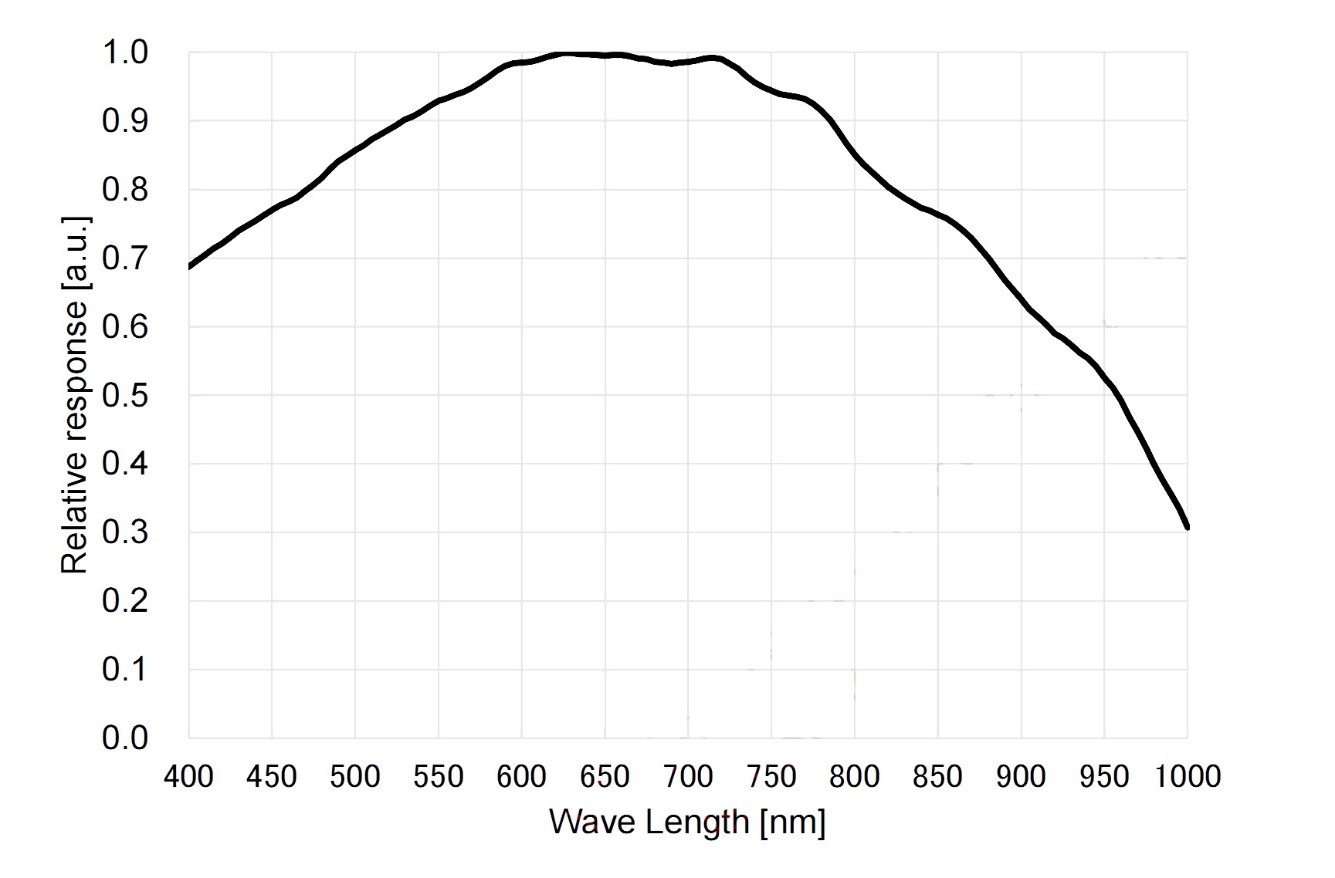
Quantitative easing curve
Download
Features
- New SONY IMX585 1/1.2" CMOSsensor (mono)
- Diagonal: 12.85 mm
- Total pixels : 8.3 megapixels
- Maximum resolution 3856×2180
- Pixel size: 2.9 μm
- Chip size: 11.2 mm × 6.3 mm
- Frame rate: 47 FPS (10-bit) at full resolution
- Rollershutter: Roller shutter
- Exposure range: 32μs-2000s
- Read noise: 6.5-0.7e
- Peak quantitative easing: ≈91%
- Full well: 47.7Ke
- Analog-to-digital converter (ADC): 12 bits
- Data port: USB3.0/USB2.0
- Passive cooling: yes
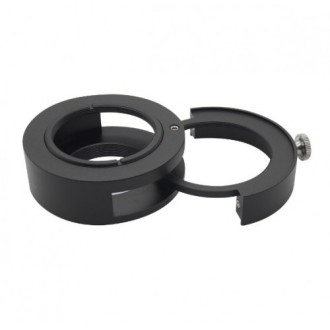
- Adapter: 1.25″ / M42X0.75
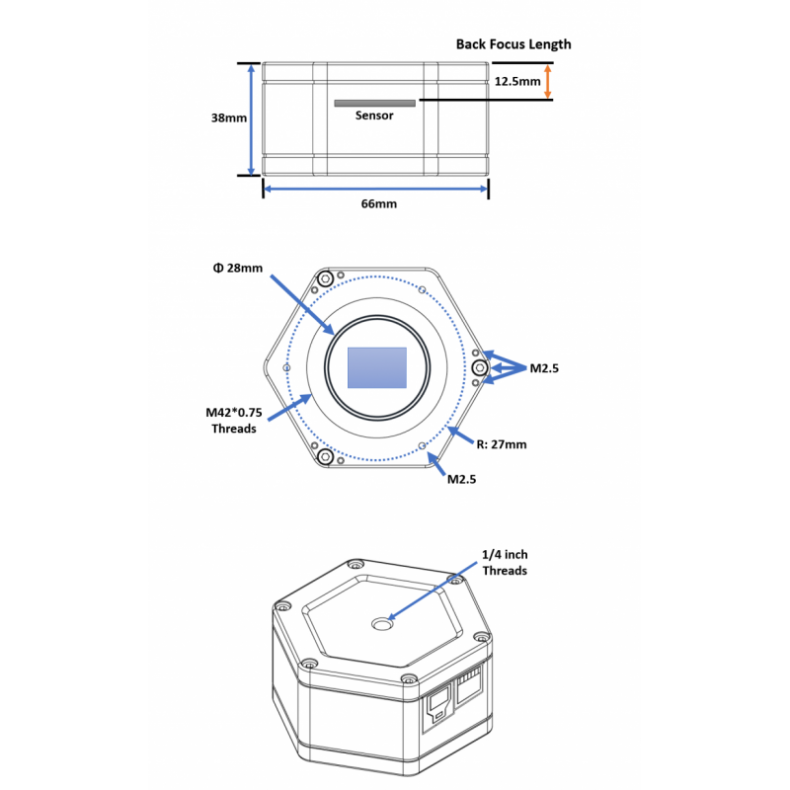
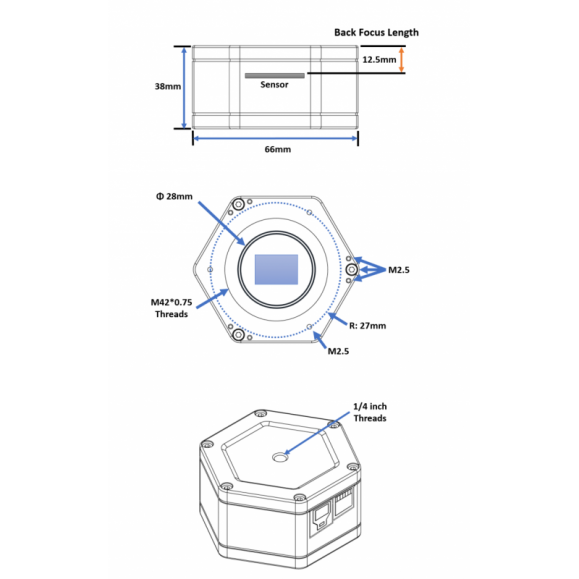
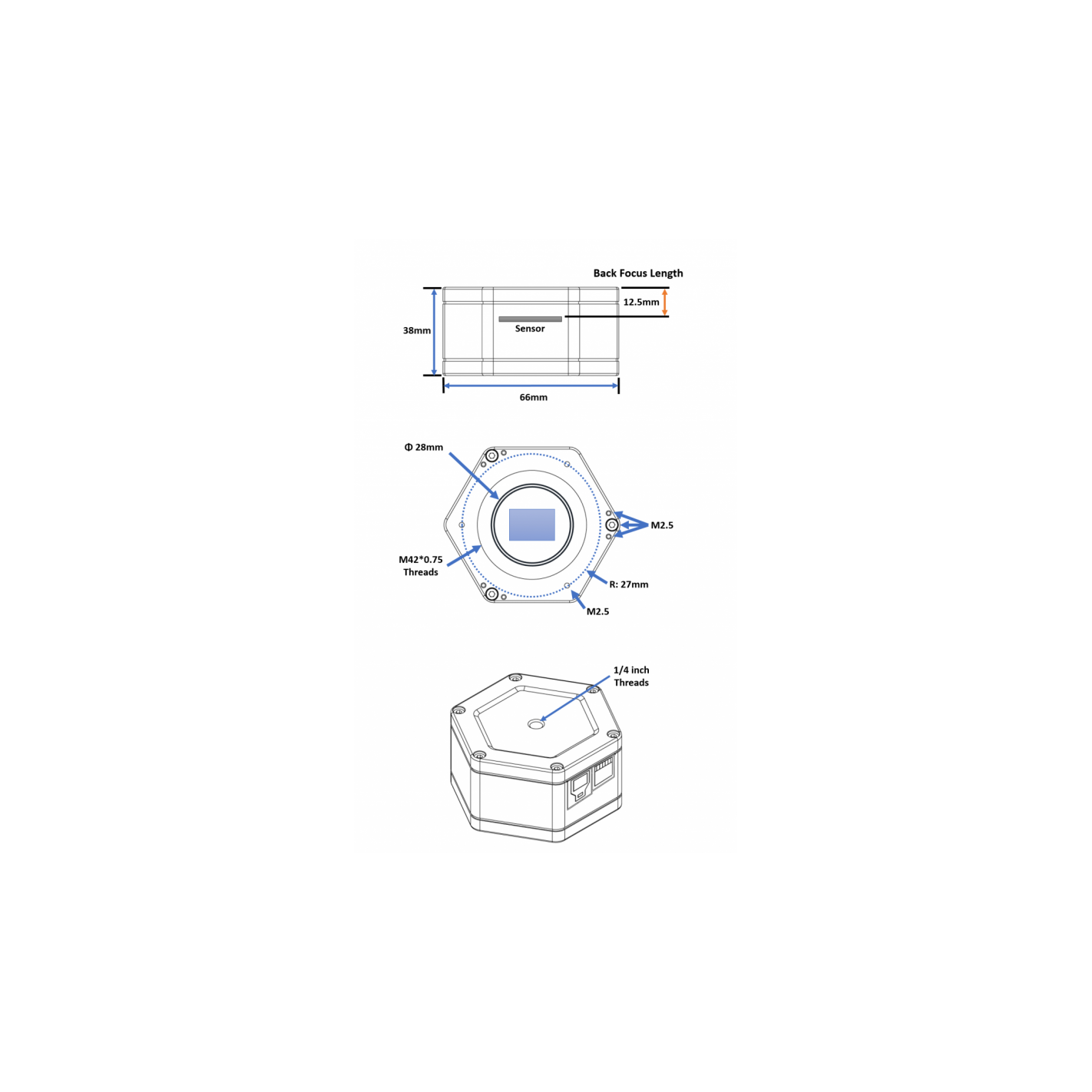
- Rear focus: 12.5 mm
- Protective window: high quality AR Plus (anti-reflective) multilayer coating D32*2MM
- Diameter: 66 mm
- Weight: 180g
- Resolution and FPS: In USB3.0 mode,
10-bit CAN resolution
3856×218046FPS
3840×2160 47FPS
1920×1080 187FPS
ROI depends on window
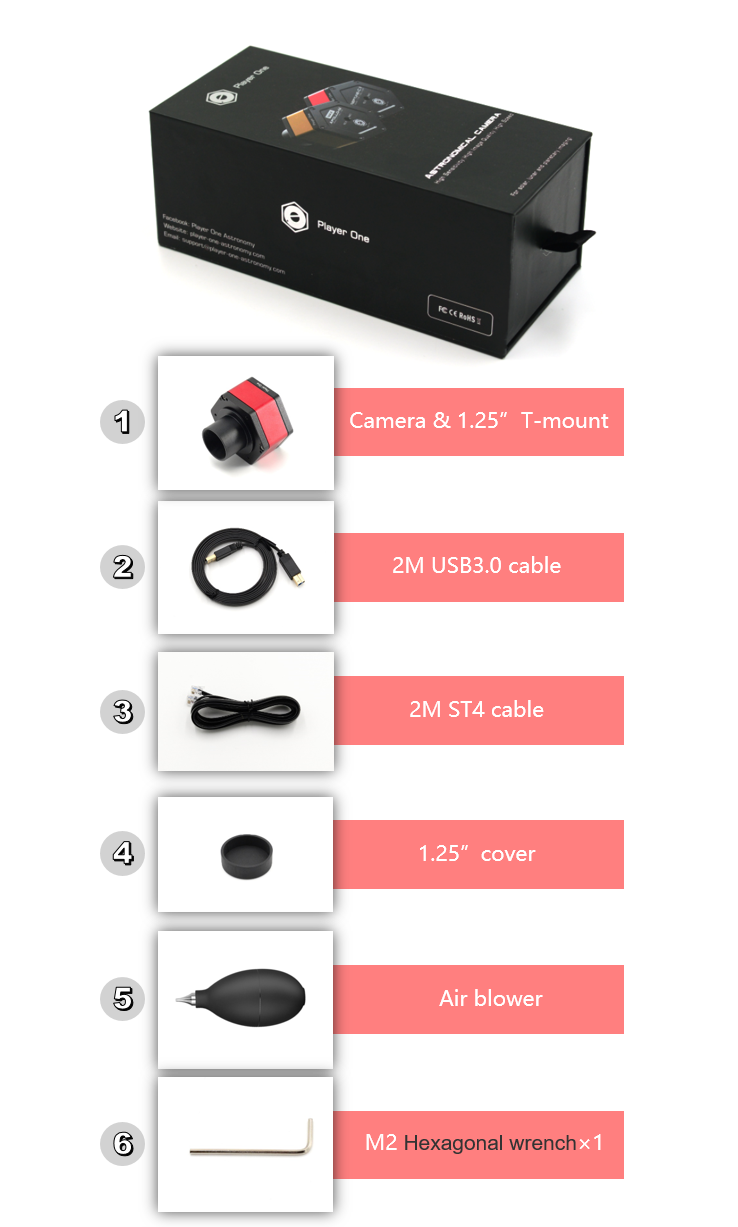
Delivered items: