Cart title
There are no more items in your cart
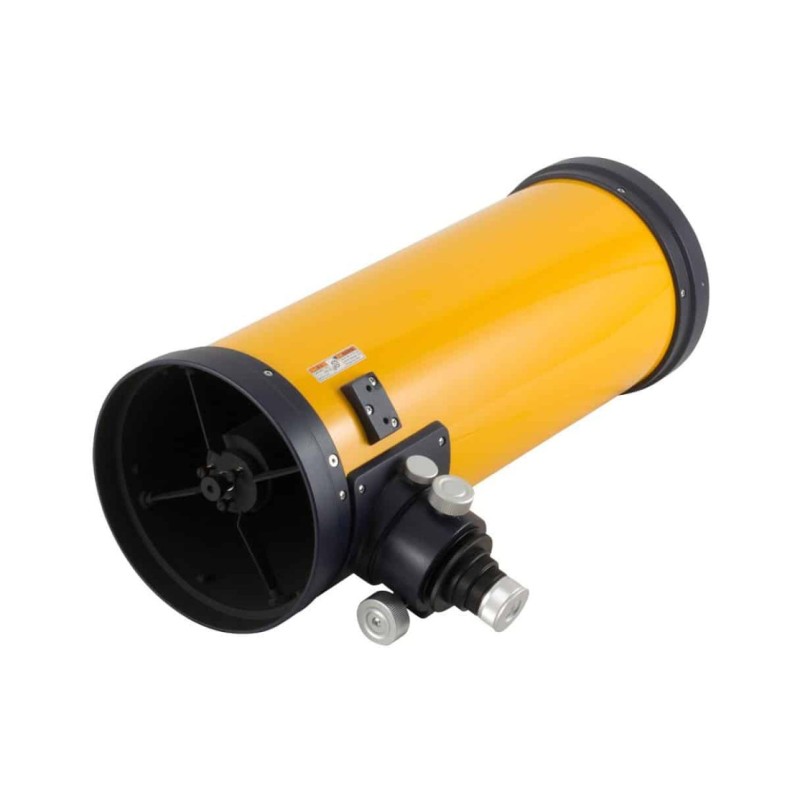
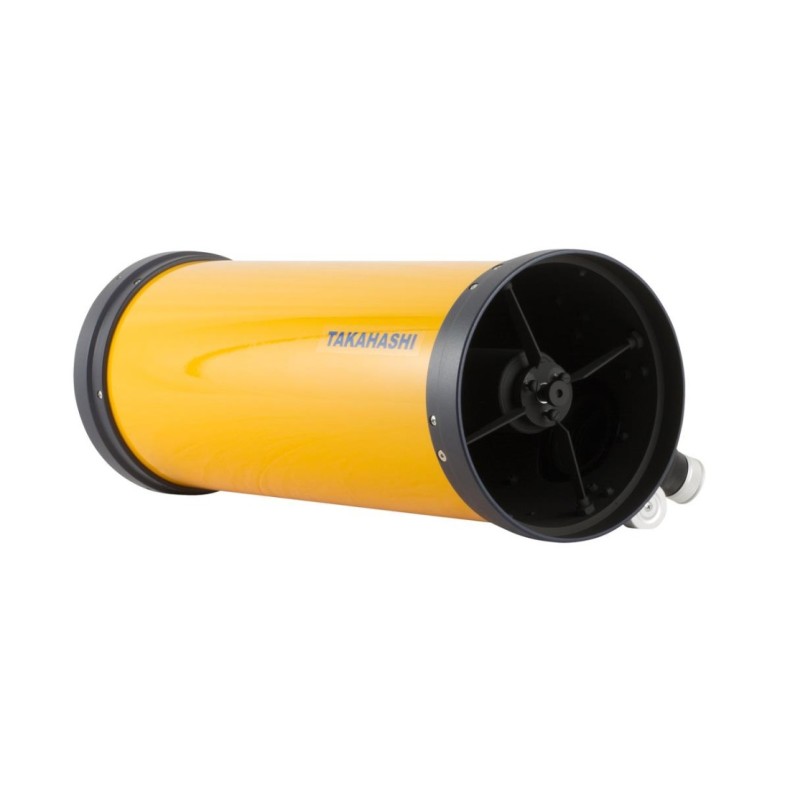
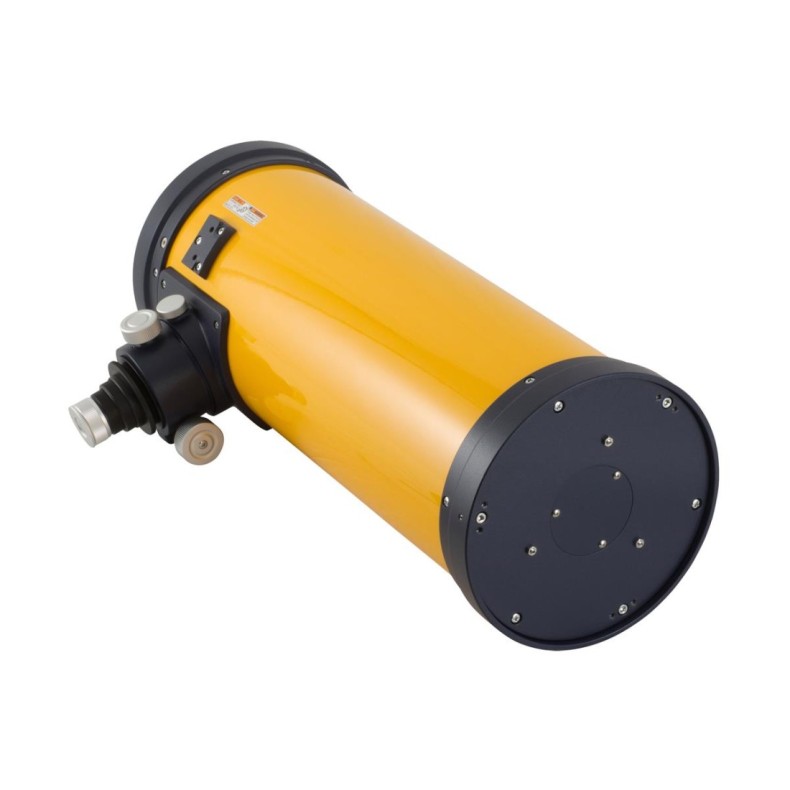
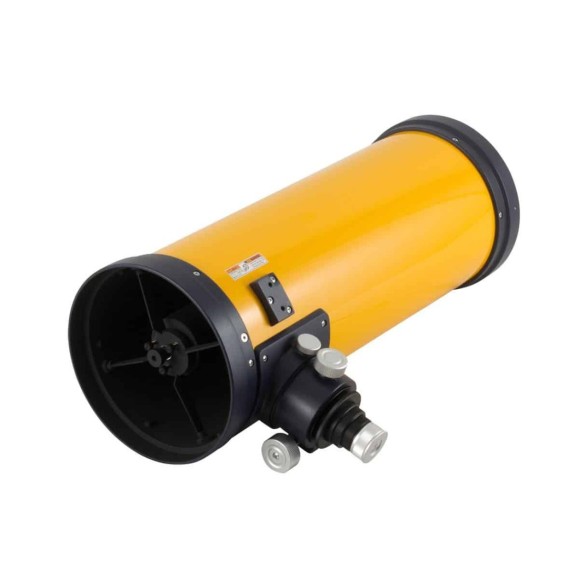
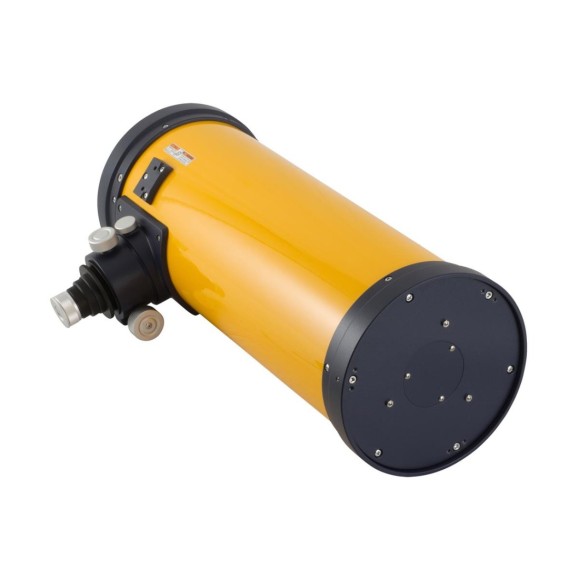
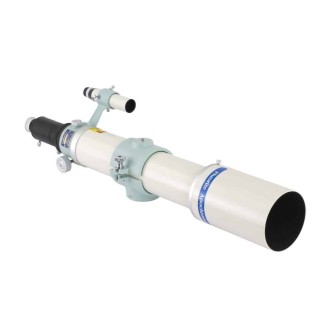


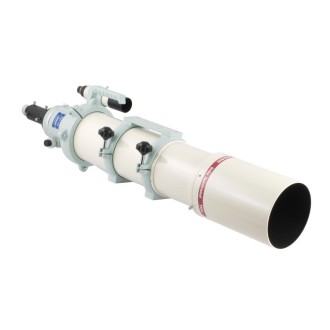
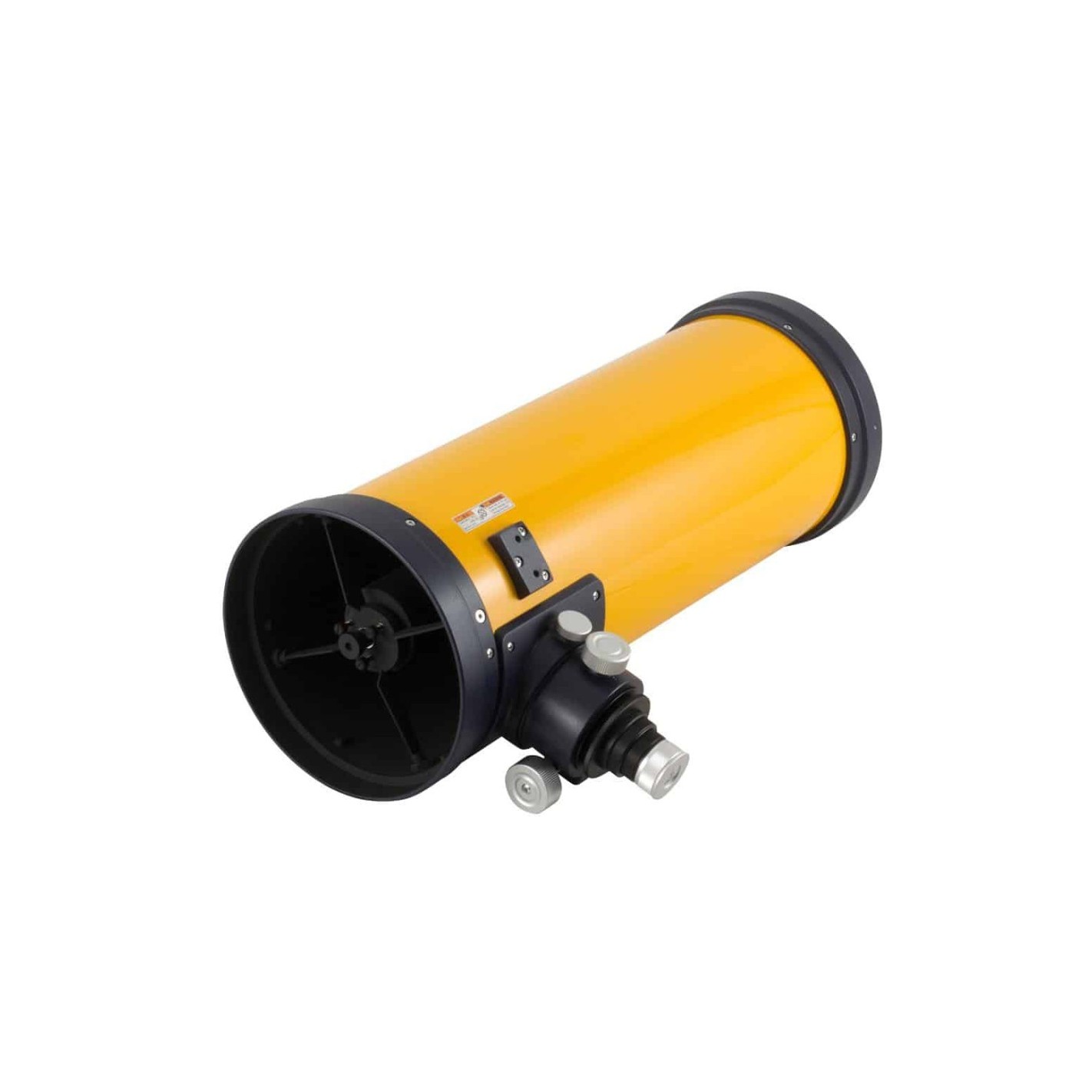
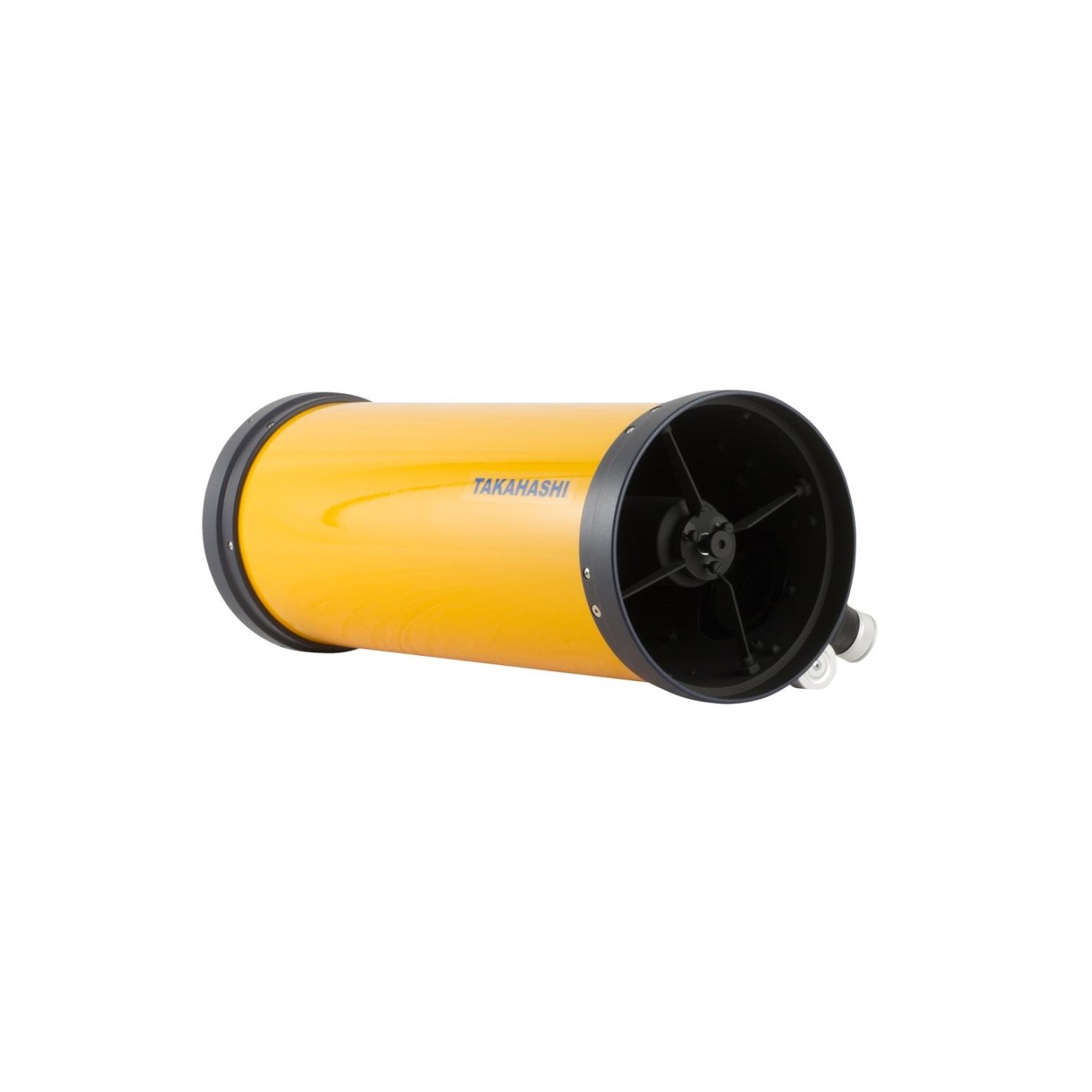
Telescope intended for deep-sky astrophotography
Aperture ratio F/D 3.3 (focal length 530 mm)
Integrated ED field corrector covering the 24x36 format
Optical tube only
Quality Takahashi, Japanese craftsmanship
| Carrier | Description | Estimated Delivery | ||
|---|---|---|---|---|
 |
UPS - Resto del mundo | UPS - Rest of the World |
Wednesday, 18 February - Wednesday, 25 February |
|
UPS - Resto del mundo
UPS - Rest of the World
Estimated delivery:
Wednesday, 18 February - Wednesday, 25 February
In June 1984, Takahashi launched its first telescope dedicated entirely to wide-field deep sky photography, the Epsilon-160, with an innovative and demanding optical formula, both from the point of view of manufacturing and adjustments for the photographer. The high-end Japanese manufacturer became one of the pioneers of this type of instrument in the amateur world. For the next 36 years, Takahashi offered users of this emblematic telescope different optical correctors to adapt to the evolution of photographic material and techniques, without however offering a model specifically designed for digital imaging and its particular requirements. In fact, given the urgent need for a specific "digital" corrector, Takahashi preferred to upgrade the entire instrument rather than design only a new corrector for the few remaining Epsilon-160s on the market. The Epsilon-160ED is the result of this evolution, benefiting from the experience gained with other more recent models, the Epsilon-180ED and the Epsilon-130D, thus combining ease of use, portability and performance.
All catadioptric telescopes in the Epsilon series are wide-field astrographic telescopes with hyperbolic primary mirror. The corrector is integrated into the rack and pinion and provides a flat field in an image circle that covers today's full-format digital sensors. The former Espilon corrector
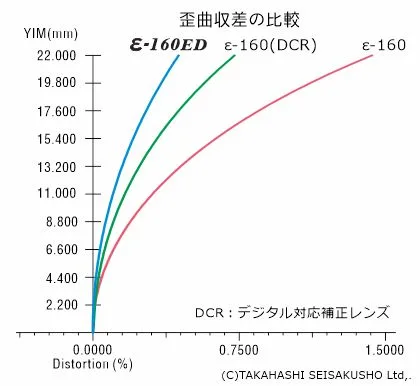
Comparative distortion of the Epsilon-160ED (in blue), the Espilon-160 with DCR corrector (in green) and the original Epsilon-160 (in red) with the distortion percentage on the abscissa axis and the distance to the optical axis on the image circle on the ordinate axis.
In wide-field imaging with large sensors, it is essential to obtain homogeneous illumination of the image circle. With the low aperture ratio (FD 3.3) of the Epsilon-160ED, if the secondary mirror were centered in the optical tube, it would have to be oversized and the luminous intensity in the image circle would be unbalanced. Takahashi has solved these problems by offsetting the secondary mirror to optimize the illumination of the image circle without increasing the central obstruction.
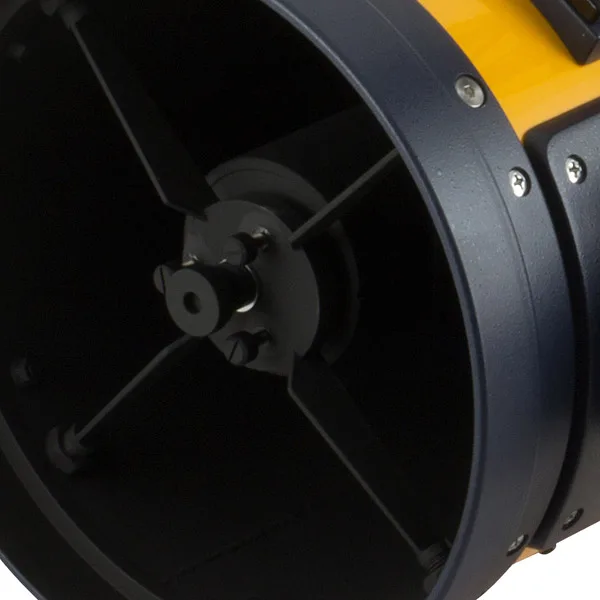
The secondary mirror of the Takahashi Epsilon-160ED telescope is off-center to illuminate the image circle homogeneously.
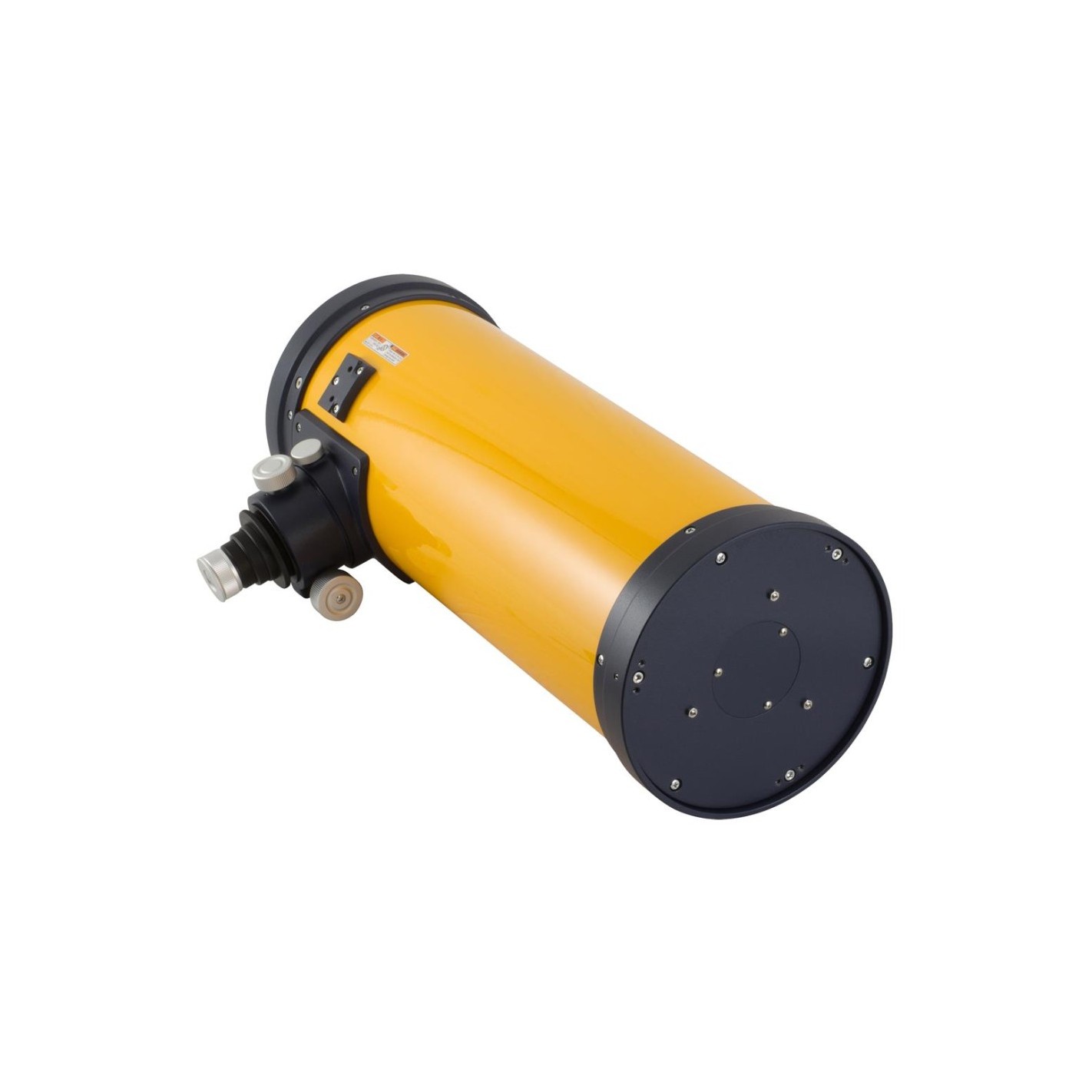
The primary mirror of the Epsilon-160ED is held in place by a cylinder similar to that of the Epsilon-180ED. The back of the mirror is held in place by three dedicated screws. It is held laterally and held in place at the front by a crown that acts as a diaphragm. Tilt adjustment is performed, as on the Epsilon-130D, by three sets of three screws, two thrust screws located on either side of a drive screw. A removable cover allows to accelerate the heating of the primary mirror. Finally, none of the screws protrude from the barrel crown, so the optical tube can be positioned vertically without damage.
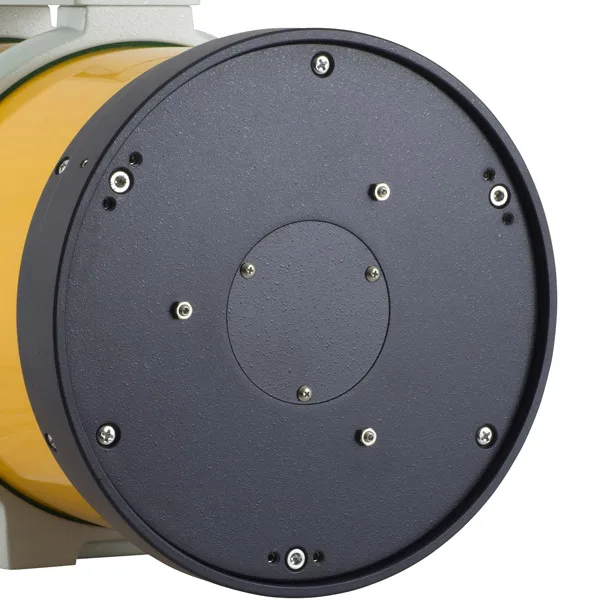
The primary mirror barrel of the Takahashi Epsilon-160ED telescope has three sets of three screws for collimation, three mirror support screws, and a removable cover.
The oversized rack and pinion focusing system includes a rotating collar for photographic framing. Precision and robustness are formidable; the most demanding photographic setups can be fixed to it. A microfocuser and motorizations are optionally available.
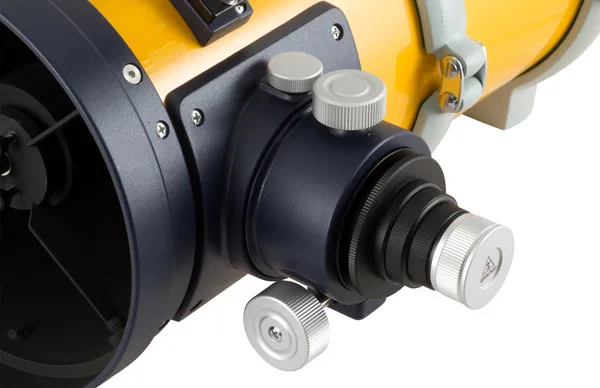
The rack and pinion focusing system of the Takahashi Epsilon-160ED telescope has an integrated rotating collar.
Telescope Features Takahashi Epsilon-160ED Telescope Features
Modified Newton hyperbolic optical formula
Optics Hyperbolic primary mirror + flat secondary mirror + corrector
Useful diameter 160 mm
At native focus
Focal length 530 mm
Relative aperture F/D 3.3
Diameter of corrected image circle 44 mm
Backfocus 56.2 mm
With 1.5x extender
Focal length 800 mm
Relative aperture F/D 5
Diameter of the corrected image circle 44 mm
Backfocus 56.2 mm
Mechanical characteristics
Telescope Feature Telescope Takahashi Epsilon-160ED
Tube length 580 mm
Tube diameter 204 mm
Weight 6.9 kg
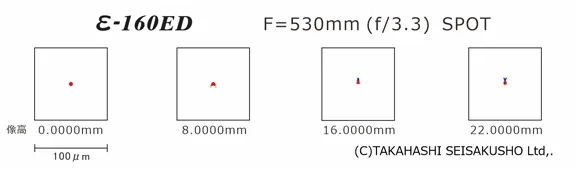
Focal point diagram of the telescope Takahashi Epsilon-160ED